Thursday doors

Doors 58

Something a little different this week. I have had trouble with door inspiration, call it door writer’s block if you like, and didn’t even manage a post last week, so made a big effort this week to go out and damn well find some doors.

Salvation came in the unexpected form of Bristol Harbour Railway rolling-stock doors (I guess they all count). BHR is a heritage railway which runs for about a mile alongside the floating harbour from the M Shed to the Create Centre (a renovated former tobacco warehouse) passing by the SS Great Britain en route.

The railway operates two steam engines, Portbury (1917) and Henbury (1937) that carry people along the Harbourside during the summer for that nostalgic smut, smoke and steam experience – a must for young families.

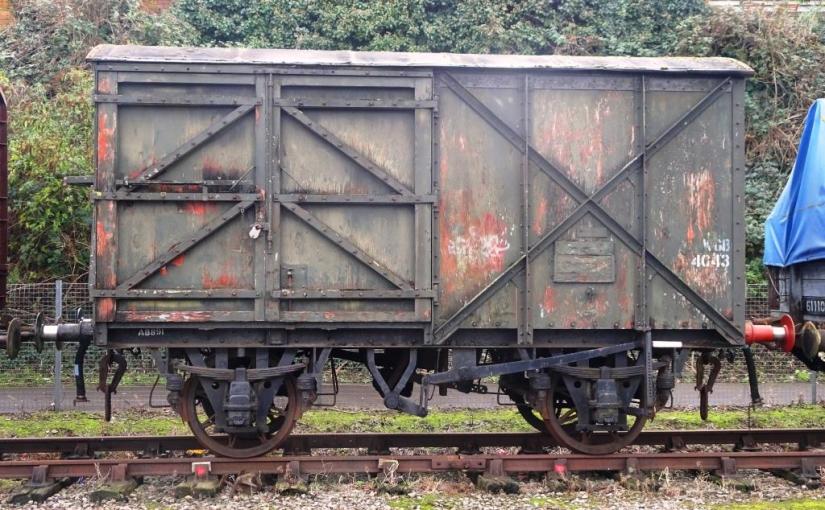
On the sidings just beyond the M Shed (a Bristol science/heritage museum) there are several of these wagons in varying stares of repair. Most have doors:
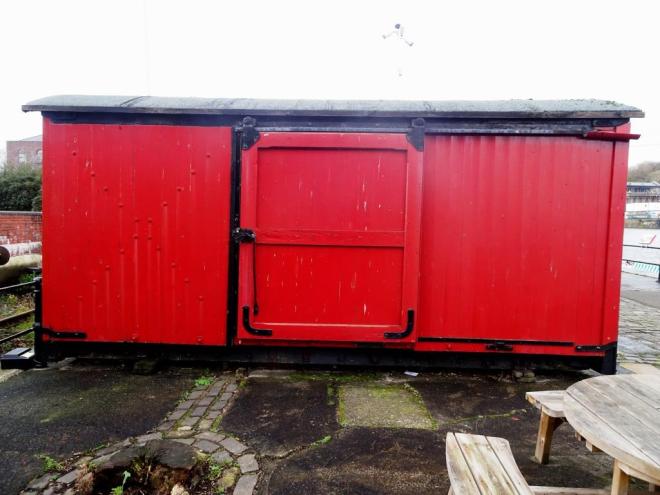
Thursday Doors, Bristol Harbour Railway, January 2019

This red wagon is no longer operational and has been converted into a little cafe.

Thursday Doors, Bristol Harbour Railway, January 2019

Two sets of doors for the price of one

Thursday Doors, Sulphuric Acid Only, Bristol Harbour Railway, January 2019

OK, so no doors on this one but it is a stunning sulphuric acid tanker and its very recent renovation was completed on my birthday a couple of weeks back.
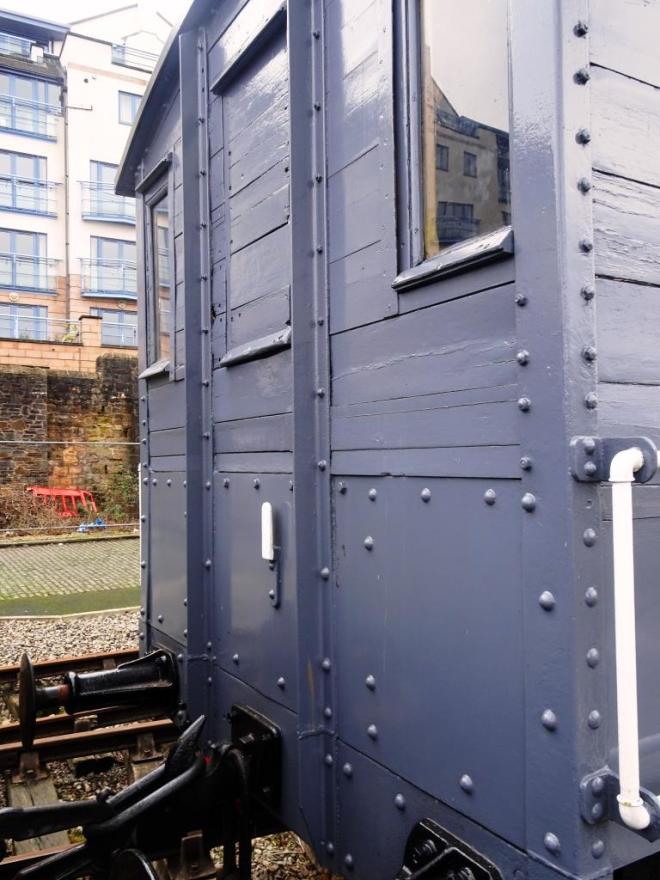
Thursday Doors, Bristol Harbour Railway, January 2019

I think this one might be a guard’s wagon.

So, that wraps it up for this week. Plenty more great doors at: Thursday Doors – Norm 2.0

by Scooj

Thursday doors

Door(s) 35

For the second week running I am stretching slightly the definition of doors, but in my view these do qualify.

Bristol has been a significant port in the development of European and world trade through the centuries and brought great wealth to the nation. As shipping traffic increased there were significant challanges to be faced, the most important of which was navigation and berthing in a port with the second largest tidal range in the world. At Avonmouth in the Severn Estuary the tidal range is 14m and in Bristol itself it is 12m.

This meant that the larger vessels navigating the river Avon would have to wait for spring tides, causing congestion. Additionally, any vessels in the harbour would be left high and dry every day, some would tilt and some would get stuck. What I’m trying to say is that although a significant trading centre, Bristol was not an easy place to sail to.

The solution was to dam off the city stretch of water, creating a ‘floating’ harbour and to divert the course of the tidal river around the city in what is called the New Cut. This all happened in the early 19th century and at the time was the largest civil engineering project of its type anywhere in the world. The impoundment allowed ships to tie up alongside the docks and keys without the hassle of rising or falling tides. Entry into the harbour was via one of two locks in what is known as the Cumberland Basin.

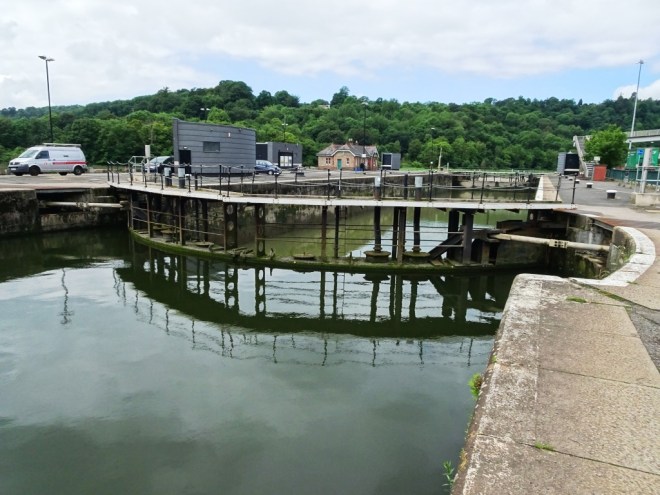
The doors (lock gates) are huge and very impressive, and although they don’t see much use these days (the port closed as a commercial venture in 1975) they are still operational.

So here are the doors:

Cumberland Basin upper lock gate, Bristol
Cumberland Basin lower lock gate, Bristol

The Beady eyed among you will notice Brunel’s Clifton Suspension Bridge spanning the Avon Gorge

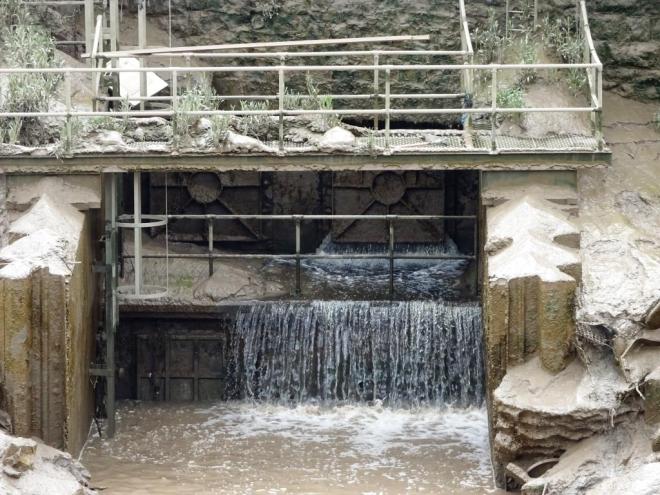
Colliter's Brook inlet into the New Cut, Bristol
Colliter’s Brook inlet into the New Cut, Bristol

More doors, this time managing the flow of one of Bristol’s brooks into the New Cut.

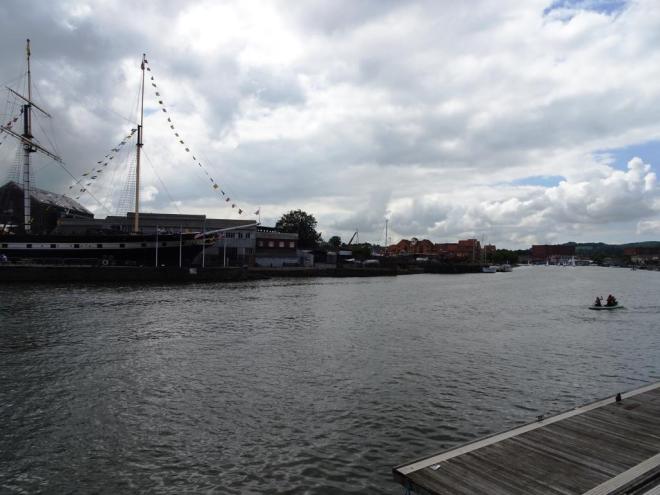
Bristol's floating harbour and SS Great Britain
Bristol’s floating harbour and SS Great Britain

This is one part of the extensive (28.3 hectares) floating harbour which is now a major leisure attraction and waterside housing asset in Bristol. Another of Brunel’s astounding achievements, the SS Great Britain permanently rests here.

Maybe back to some rather more conventional doors next week.

by Scooj

More doors at: Thursday Doors – Norm 2.0