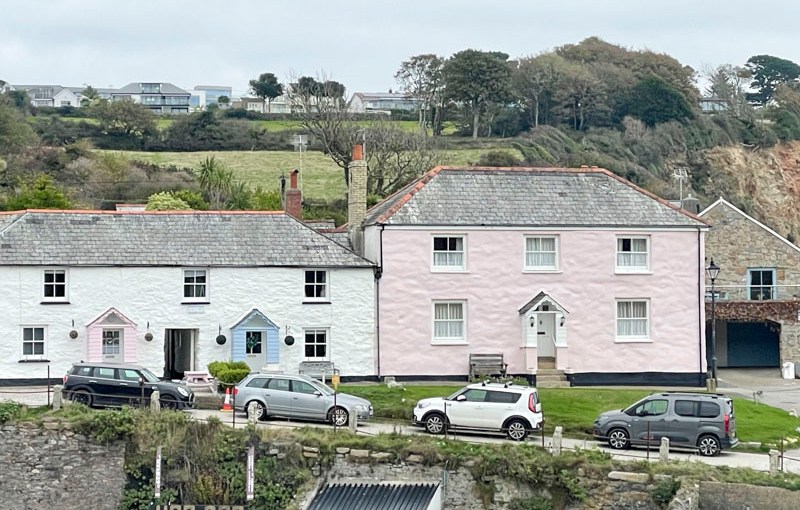
Doors 363 – Doors of Charlestown, Cornwall – October 2025
Some of you may know that this beautiful little harbour village featured regularly in the 2015-2019 series of Poldark, but that is only a modern chapter in the history of Charlestown. An AI assembled potted history is as follows:
Charlestown, on the south coast of Cornwall, was developed in the late 18th century by local landowner and entrepreneur Charles Rashleigh, who transformed the small fishing village of West Polmear into a thriving port to export copper and china clay from Cornwall’s booming mining industry. Named after Rashleigh himself, the harbour was completed in the 1790s and quickly became an important centre for maritime trade, with tall sailing ships carrying cargo across Europe and beyond. Although commercial shipping declined during the 20th century, Charlestown’s remarkably well-preserved Georgian harbour and historic waterfront have survived largely unchanged. Today, the village is a popular visitor destination, celebrated for its maritime heritage, traditional tall ships, and appearances as a filming location in numerous television dramas and films.
I visited the village in October last year, for the first time, while on a fishing trip with my great friend Andy. Coincidentally, I visited again this May with work, and it was a real pleasure to soak in its unique and gentle atmosphere. Here are some doors from my original visit:
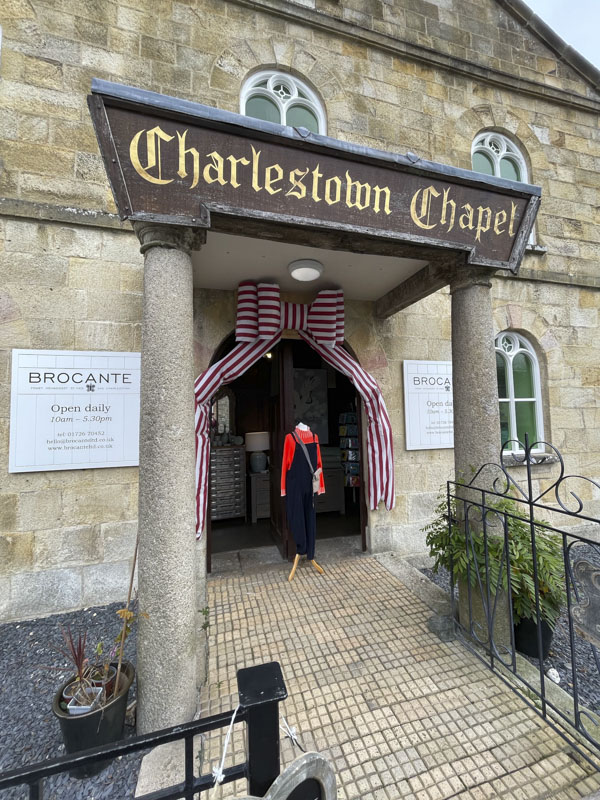
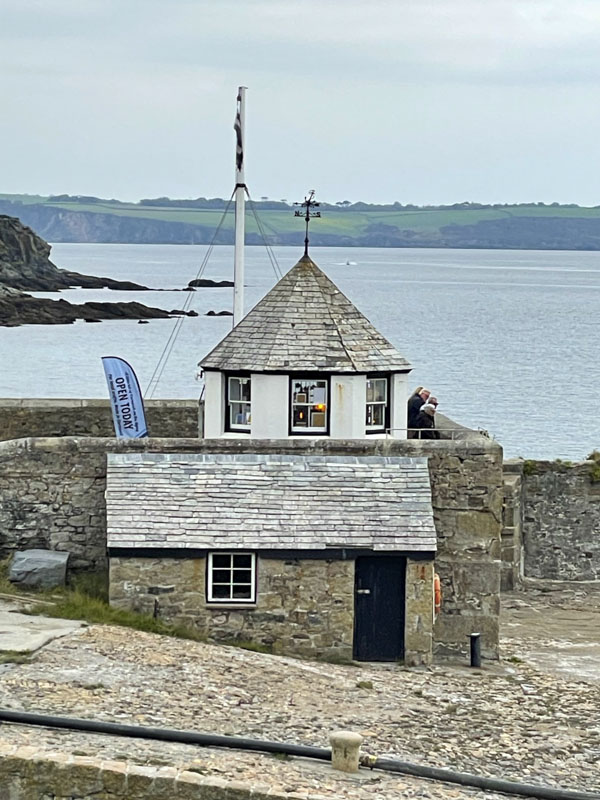
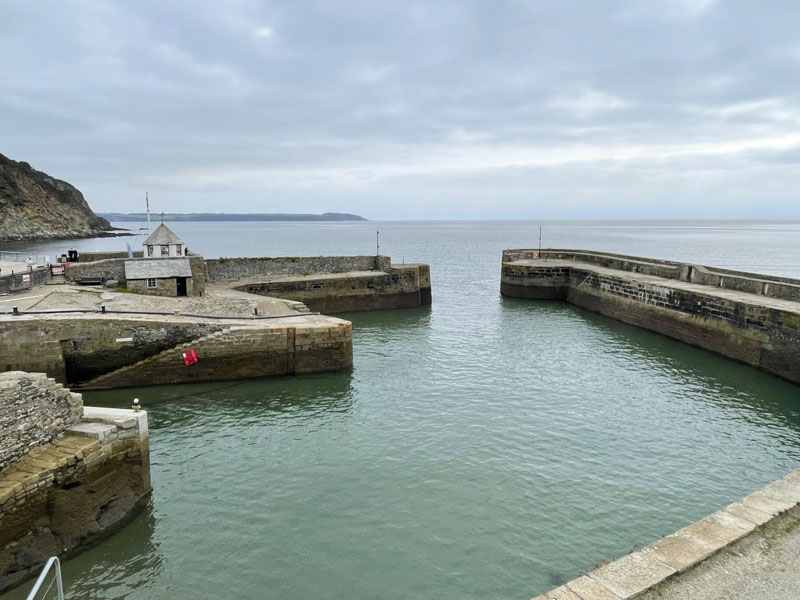
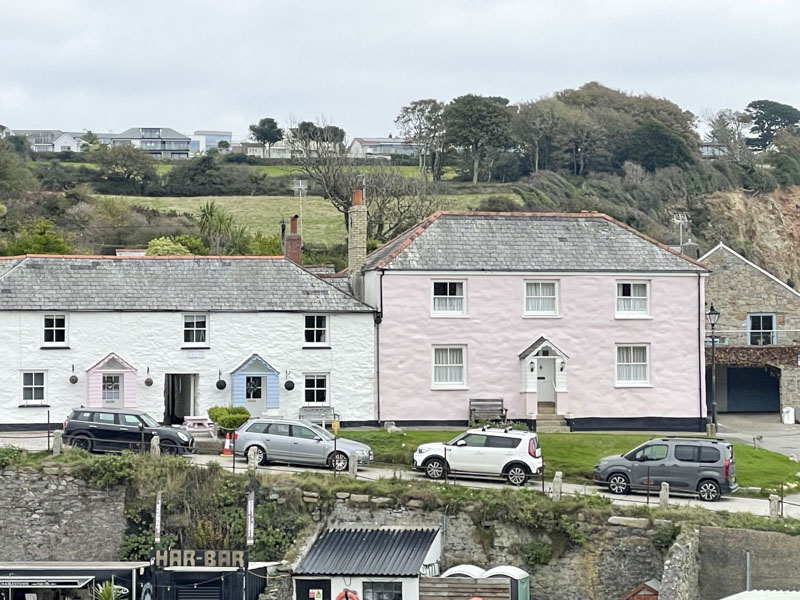
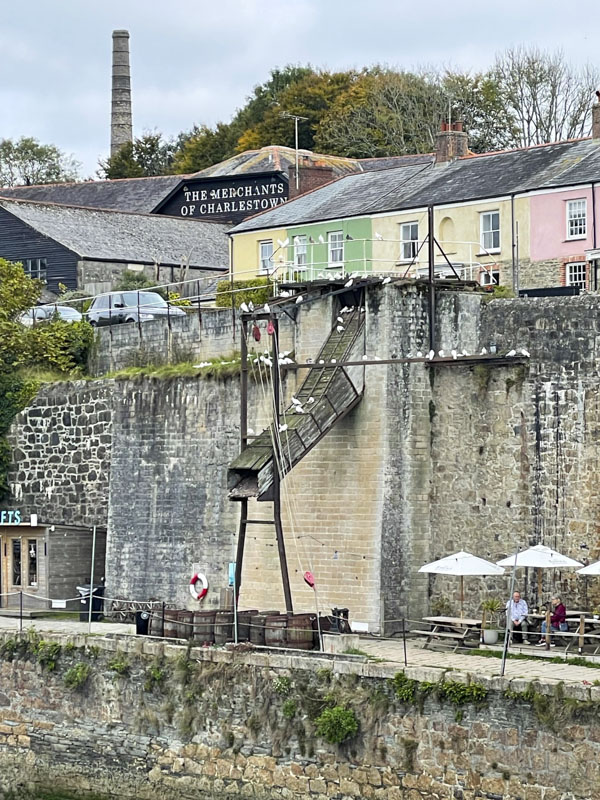
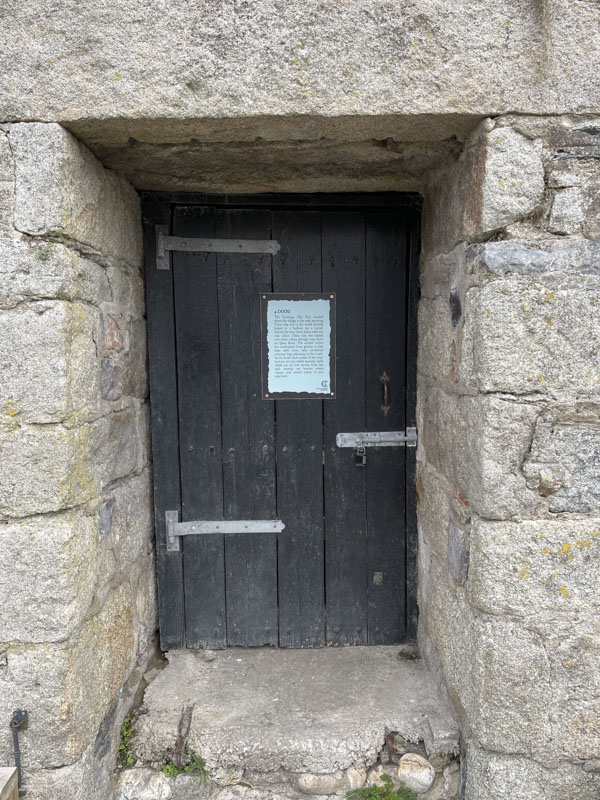
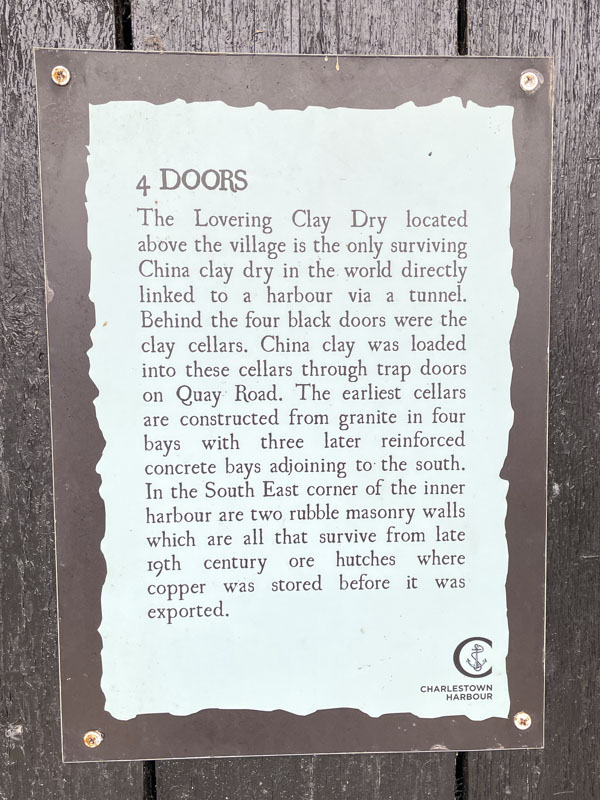
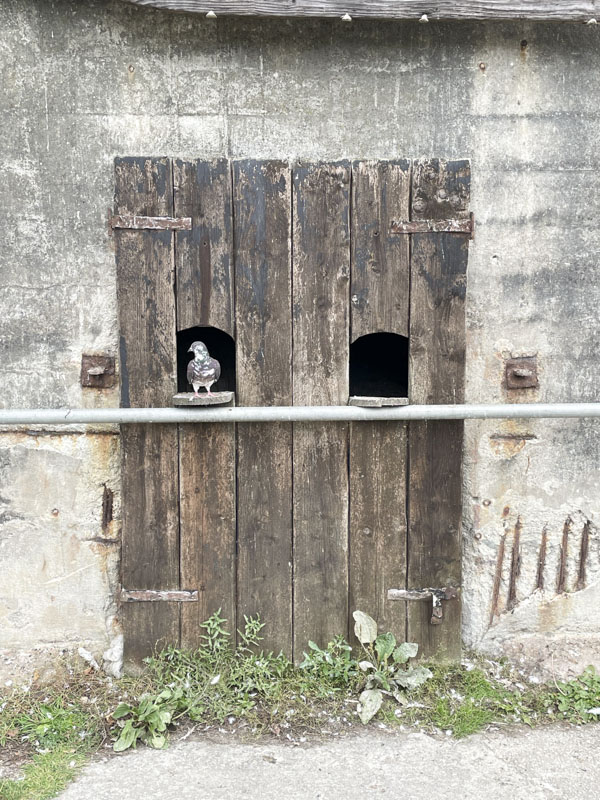
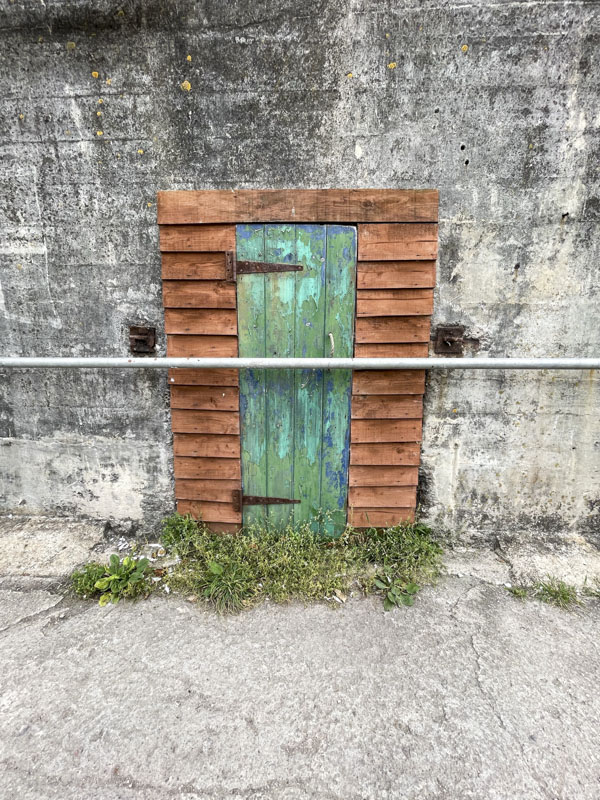
Charlestown, although reputed to be busy during the tourist season, is a sleepy, calm place with a rich legacy in Cornwall’s mining heritage. Well worth a visit (out of season). More from Cornwall next time.
If you have made it this far, you probably like doors, and you really ought to take a look at the No Facilities blog by Dan Anton who has taken over the hosting of Thursday Doors from Norm 2.0 blog. Links to more doorscursions can be found in the comments section of Dan Anton’s weekly Thursday Doors post and his Sunday recap.


Love the Quayside cottages!!!
LikeLiked by 1 person
They are quite lovely.
LikeLike
Some fabulous examples
LikeLike
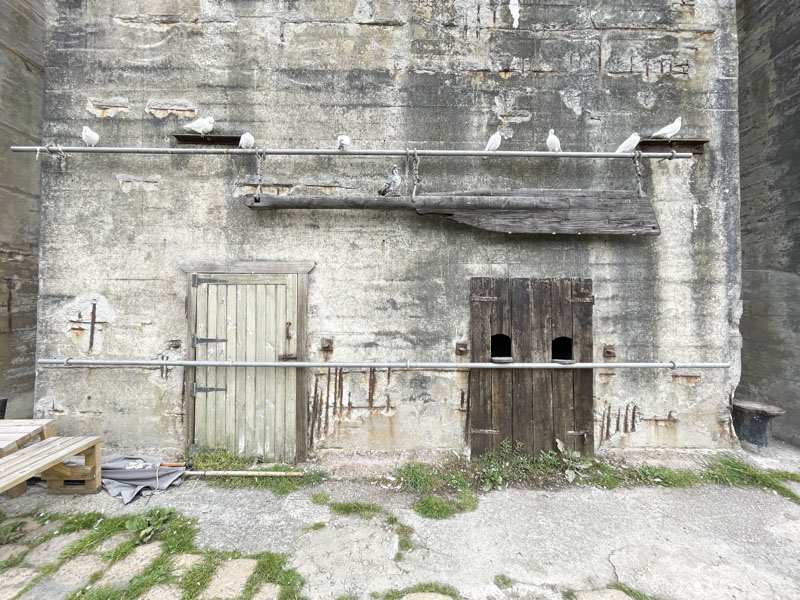
This is a very interesting area. Thanks for including the history. I love the weathered doors and buildings. I really like the chute and the little door with the bird sitting in the opening. The pictures of the harbor are fantastic.
LikeLiked by 1 person
Thank you Dan
LikeLiked by 1 person
I love images of the sea and life in coastal areas. All the doors are full of period character and restored and/or maintained with great care. I love the view of the merchants of Charlestown sign on the hill with the street and leading down to the level with the chute. For me, that one image (China clay chute) tells many great stories of this city’s past and present.
They sure used a lot of heavy stone around doorways (for example, the black Quayside door). I like that sense of doors and walls built with intention and built to last, a lot.
LikeLiked by 1 person
Thanks Suzette, some great observations. That chute is certainly a historical gem and talking point.
LikeLiked by 1 person
Lovely, interesting. I can’t pick a favo(u)rite. 🙂
LikeLiked by 1 person
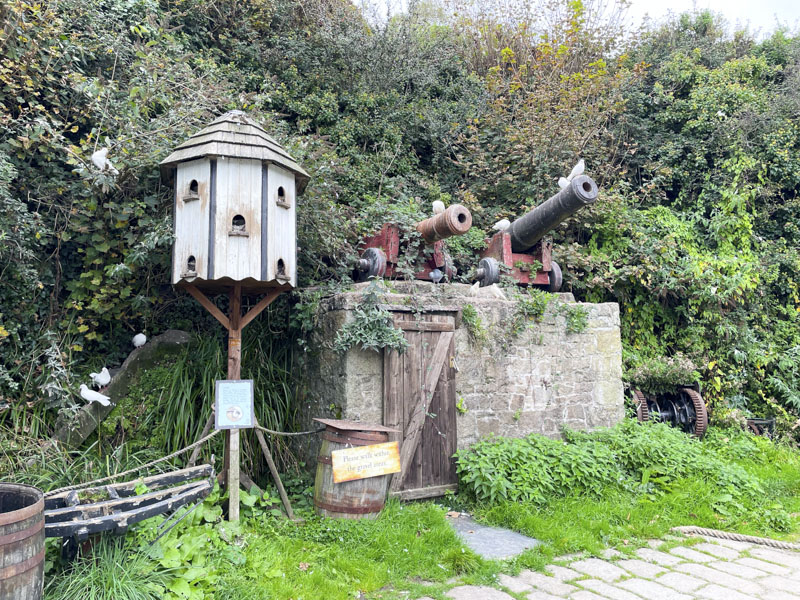
Love the Dove door. So interesting.
LikeLiked by 1 person
So many doves there.
LikeLike
Some glorious weathered pieces here I love the old china clay chute – a delightful harbour I must pay a visit 🙌
LikeLiked by 1 person
You’ll not be disappointed.
LikeLiked by 1 person
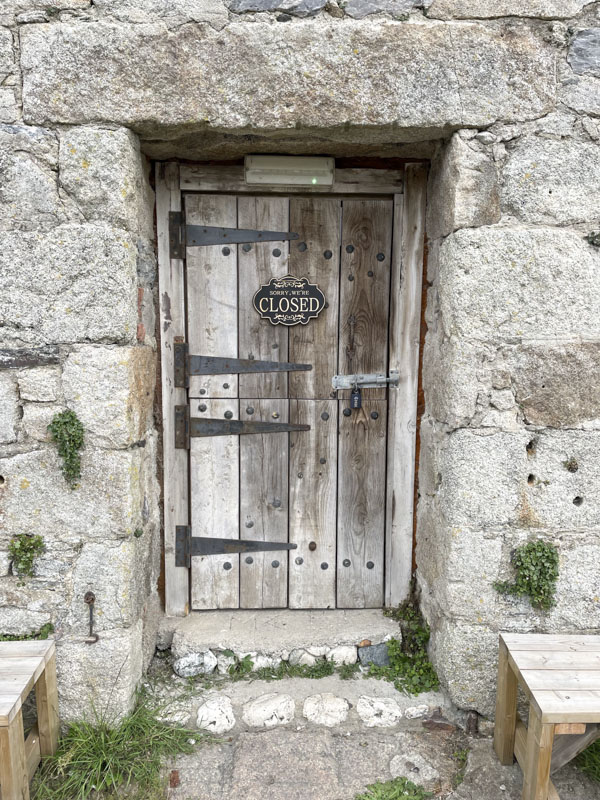
It looks like a lovely village. The soft pastel colors are calming. That chute is something unique. The weathered doors are lovely. I laughed when I read the closed sign on one of the doors. I thought wait, shouldn’t it say Shut. ?? I really enjoyed that series Poldark, but lost track of it when I cancelled my Britbox subscription. Maybe one day I’ll catch up with it as reruns on some channel.
LikeLiked by 1 person
Thanks for your thoughts on this post. That chute is definitely a crowd-pleaser.
LikeLiked by 1 person
Poldark fan right here. 😉 Thanks for such a wonderful tour of this seaside village!
LikeLiked by 1 person
Glad you enjoyed the post. We’re fans of Poldark too.
LikeLiked by 1 person