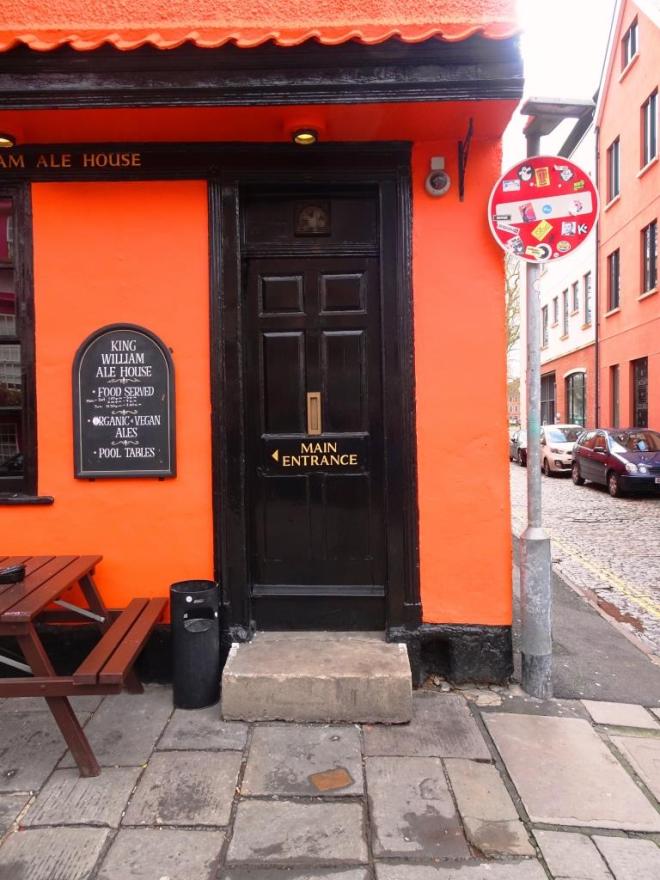
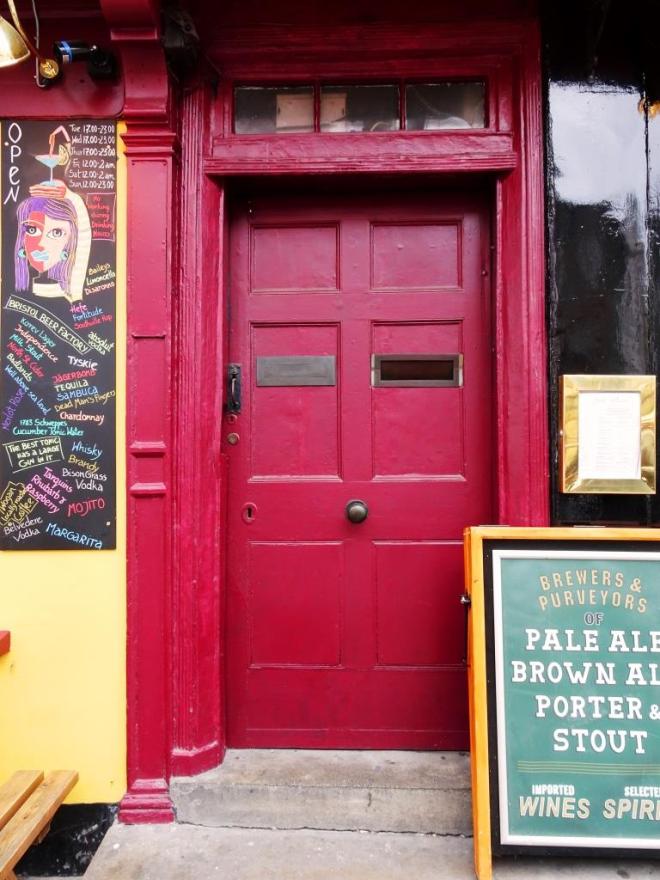
Well I’m back from my short holiday in the French Alps, and have a few doors from there to share with you, but probably in a week or two. This week I am going to share five Bristol doors from alms houses and public houses… both rich veins to tap when searching for some door action.
Seeing these doors, which I consider to be fairly ordinary, as I publish them makes me realise that it is all too easy to take things for granted – one or two of them are crackers.
Enjoy…
Pub door (but not the main entrance), Bristol, March 2019Pub door, Bristol, March 2019Pub door, Bristol, March 2019Alms house door, Bristol, March 2019
Many more doors to be admired by following the links at the end of the brilliant Norm 2.0 blog: Thursday Doors – Norm 2.0
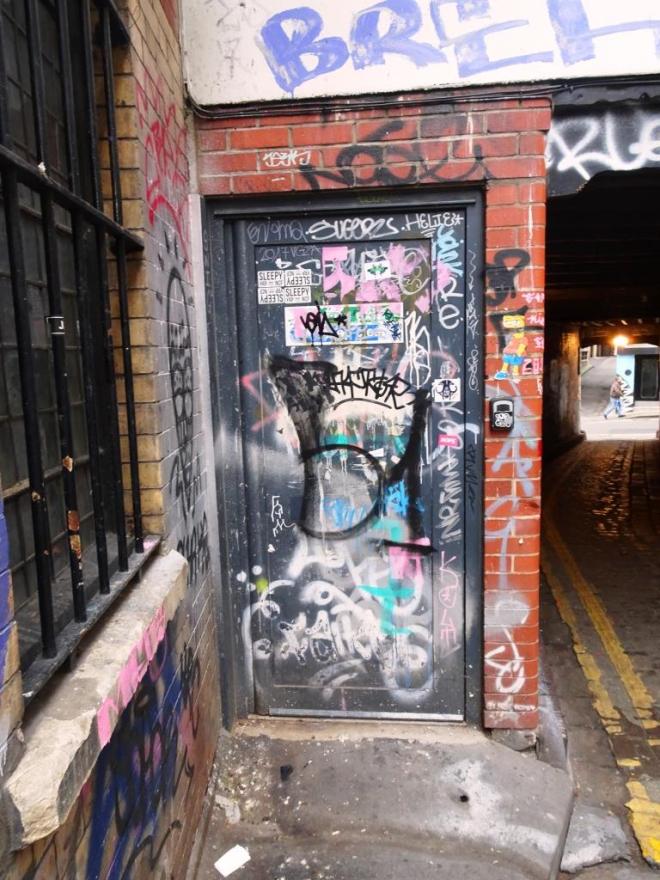
OK, so I managed to find some more doors, but I’m afraid they are lazy doors really, because they are graffiti/street art doors which tend to be abundant in the places I regularly visit in Bristol.
Make the most of them, because there will be no doors from me next week – I am taking a short break from everything and treating myself to some fresh mountain air.
So, no more fuss…here they are:
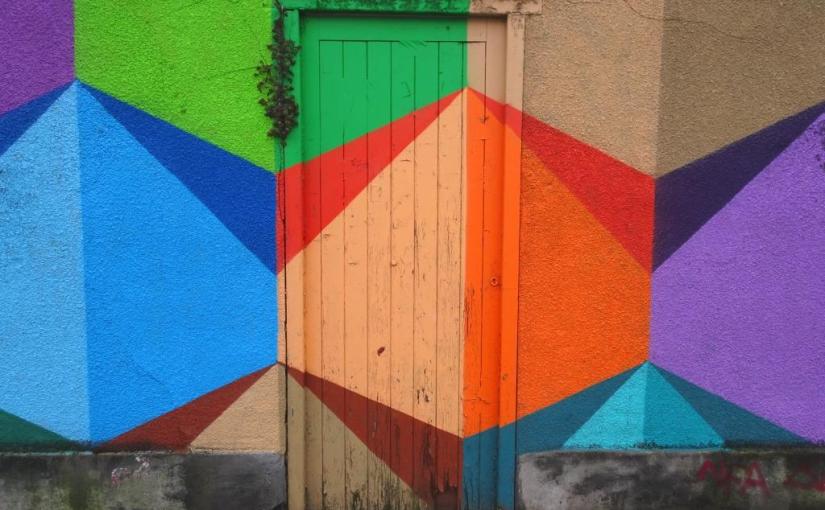
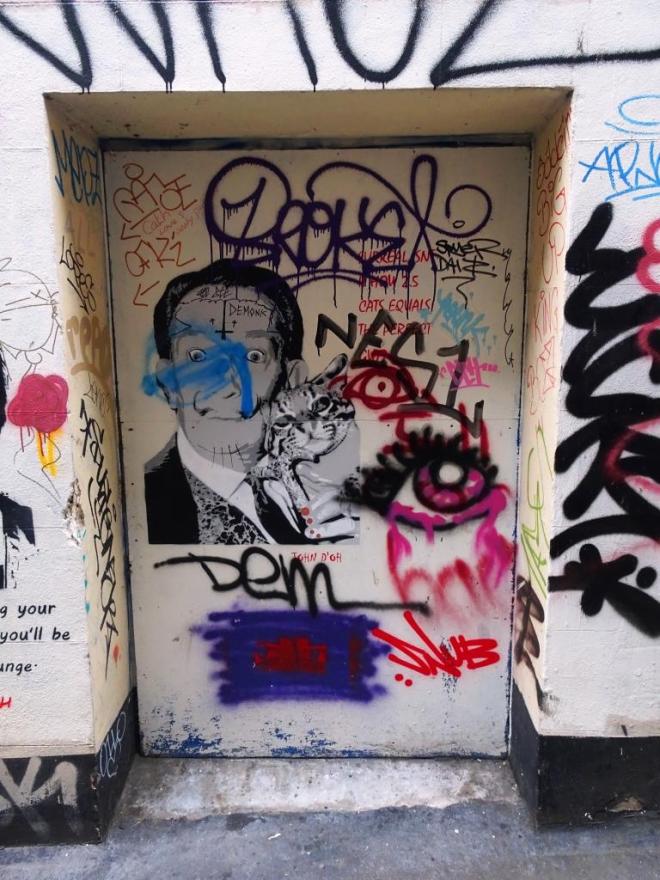
Door, North Street, Bristol, Artist: Paul Monsters, February 2019Graffiti door, Leonard Lane, Bristol, March 2019Graffiti door, Leonard Lane, Bristol, March 2019Graffiti door, Stencil by John D’oh, Leonard Lane, Bristol, March 2019Door and shutter, Cafe Cuba, Jamaica Street, Bristol, February 2019Door, Jamaica Street, Bristol, February 2019
More door action can be found by following the link at the end of the brilliant Norm 2.0 blog: Thursday Doors – Norm 2.0
I have been a little short of time this week so I’m afraid you’ll have to make do with a few doors picked up from my walks around Bristol. Some are rather old others from just a couple of weeks back. No theme…just doors.
Shop door with loads of door furniture, Bristol, December 2017The White Harte, Bristol, November 2017Blue door, keyside cottage, Bristol, December 2018Blue door, keyside cottage, Bristol, December 2018Never surrender your imagination, Bristol, January 2019
That’s it for now, wishing you all a wonderful week.
I am still struggling a little to find new doors, and haven’t done an awful lot of travelling lately, so I have retreated to my safe heartland of graffiti doors because there is never ever a shortage of them in Bristol.
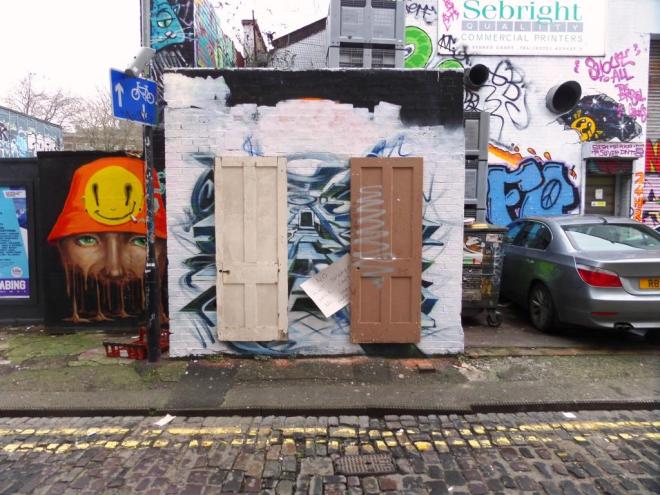
The featured image door and the ones below are something of a curiosity. They appeared back in January 2017 and were attached to some walls in what I thought at the time was an effort to disrupt the work of street/graffiti artists, but I think that they might have been a part of a campaign about homelessness. Either way, they introduced a new dynamic to the Bristol scene and presented a challenge to local artists. The doors remained in situ for many months before disappearing as quickly as they had appeared.
Doors on a Wall, Moon Street, Bristol, January 2017Doors on a wall embellished by Ryder sitting over a Mr Klue piece, Bristol, January 2017
The next few doors are classic graffiti doors in Bristol:
Coin-Op Militia, Mr Klue and DNT, Stokes Croft, Bristol, January 2017
Spot the cat…
Door, Leonard Lane, Bristol, January 2018Heavily tagged door, Stokes Croft, Bristol, November 2017
So that’s your lot for this week, I wish you all the very best until next Thursday.
I am being a little bit lazy this week and have selected some doors that cross over into my street art posts. I make no apologies…I am a busy man and some weeks I just don’t have the wherewithal to take door pictures.
I would say however that the first door (which was originally going to be the only door for this week) is one of my all time favourite doors, so it deserves a special post really. I will soon be posting it again as part of my street art thread.
The other doors have been lurking in my Thursday doors folder for far too long and need to come up for air. Incidentally Coming up for Air by George Orwell is one of my top ten novels…well worth a go if you’ve not read it.
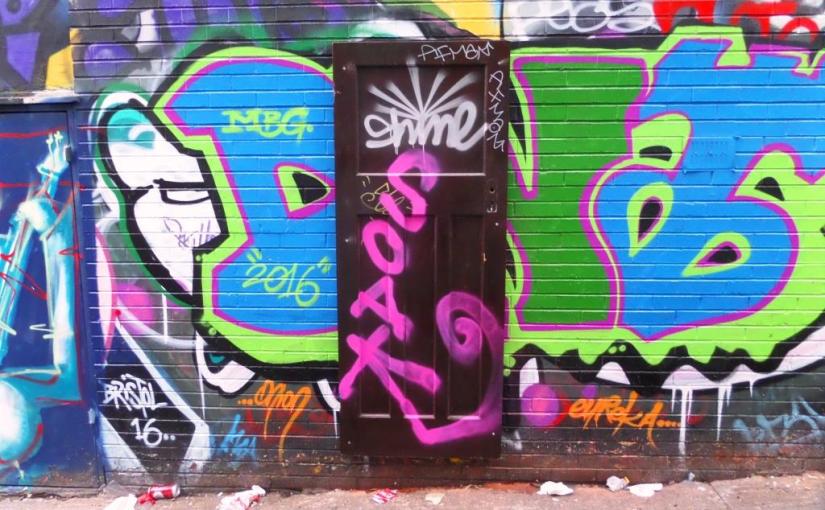
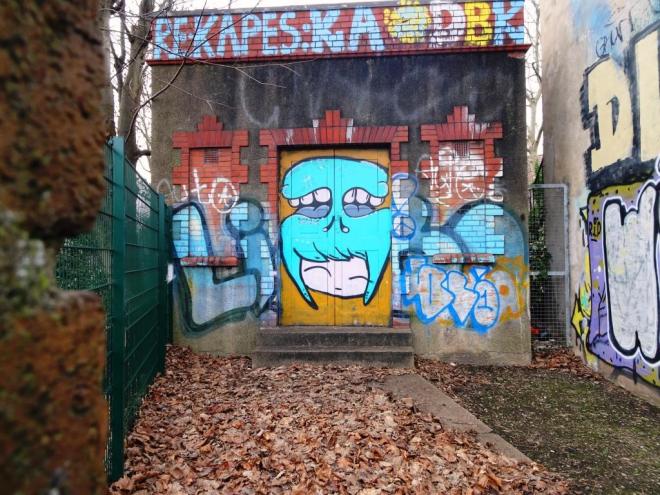
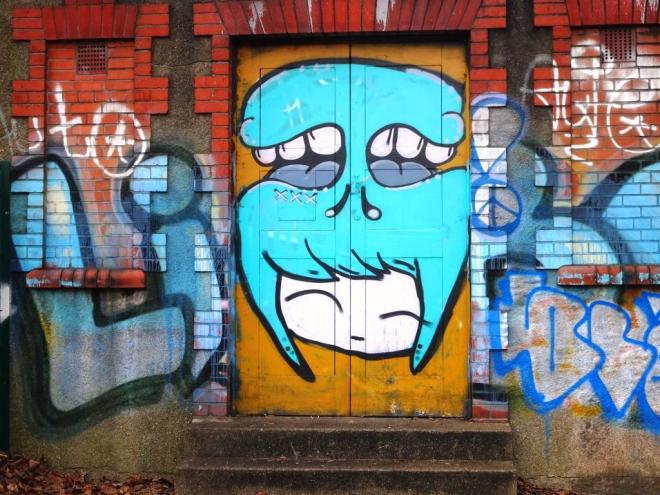
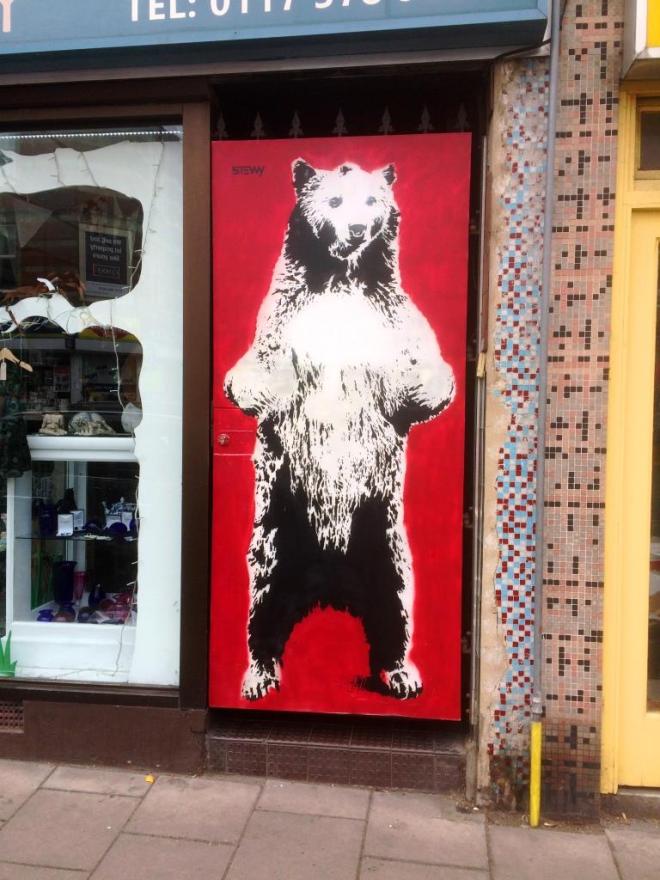
Face 1st and Soap, Mina Road, Bristol, February 2019Face 1st and Soap, Mina Road, Bristol, February 2019Thursday Doors, Bedminster, Bristol, January 2018Stewy, Thursday Doors, Bedminster, Bristol, July 2016
The bear by Stewy might trigger some memories of the squirrel I posted a few weeks back by the same artist.
Well that’s it for this week. I hope I can get out and find some new doors next week TTFN.
This week I thought I’d share a few of the doors I encounter every time I walk to work, with one or two that are set back a little from my main route. Most are from Stokes Croft, arguably the most ‘colourful’ stretch of road in Bristol (which is some achievement let me tell you).
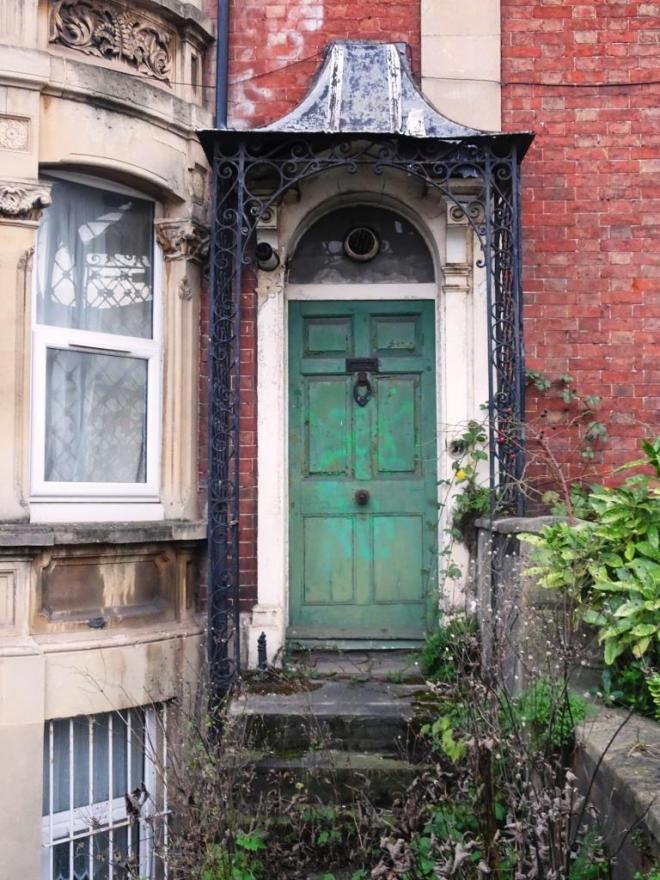
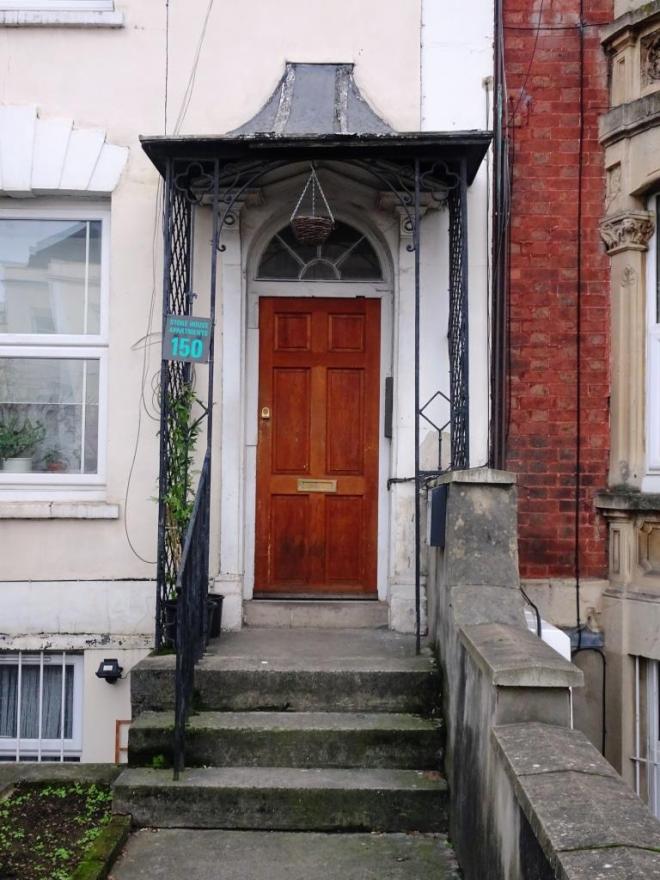
The first two doors are neighbours, one maintained rather better than the other. It is the awnings over these doors that I love, and which are so typical of some of the older houses in Bristol, although many no longer exist at all…War effort?
Door, Stokes Croft, Bristol, January 2019Door, Stokes Croft, Bristol, January 2019
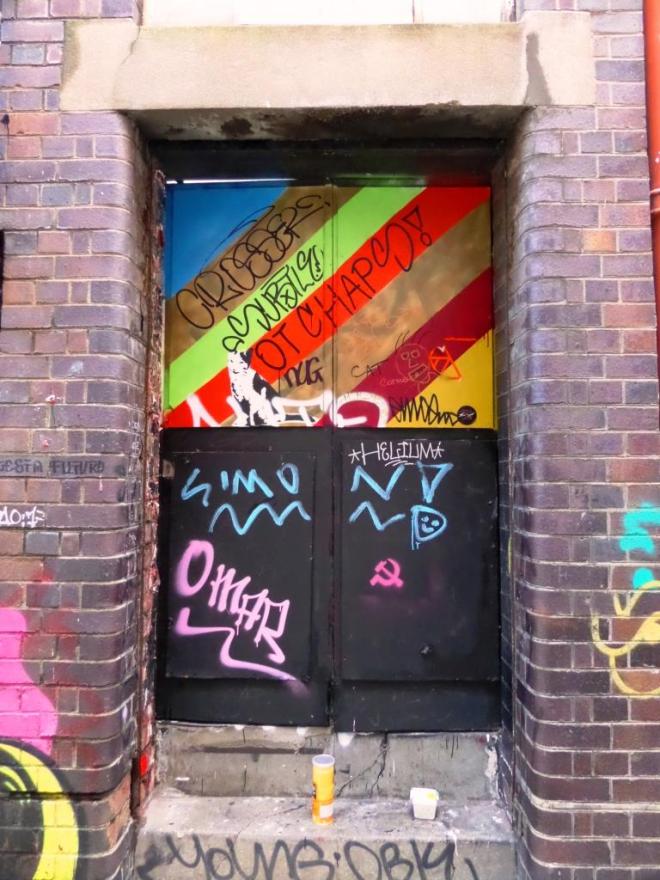
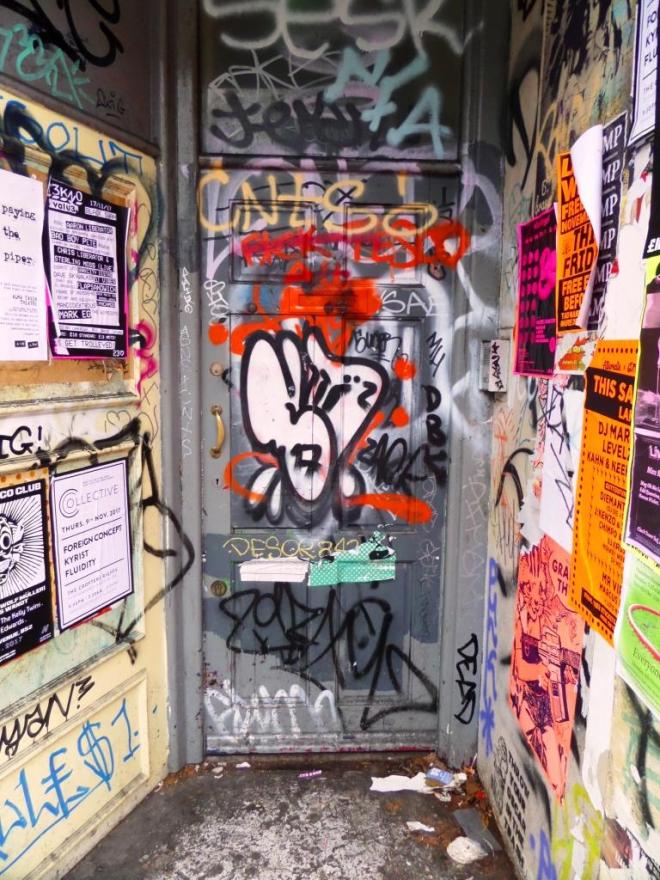
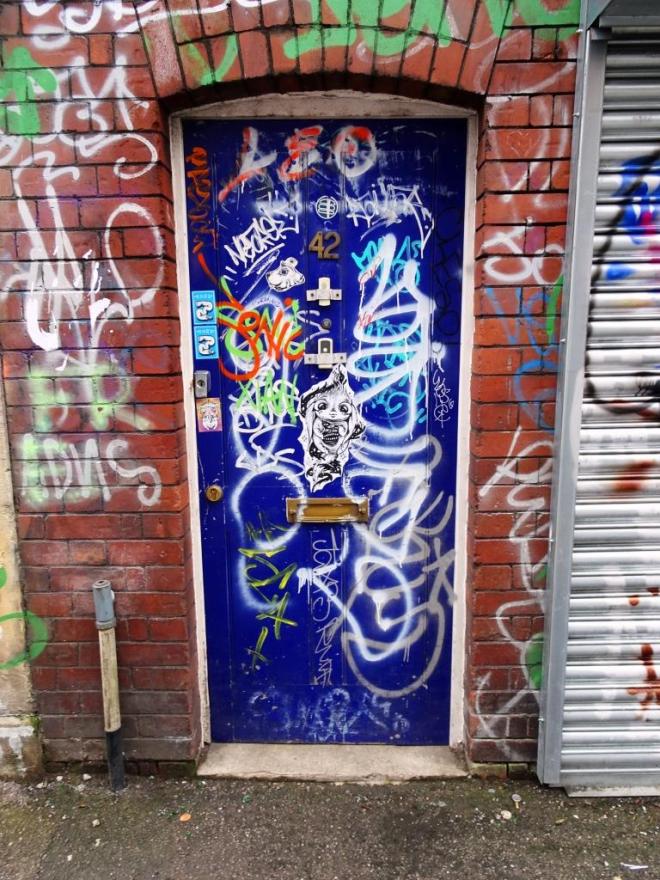
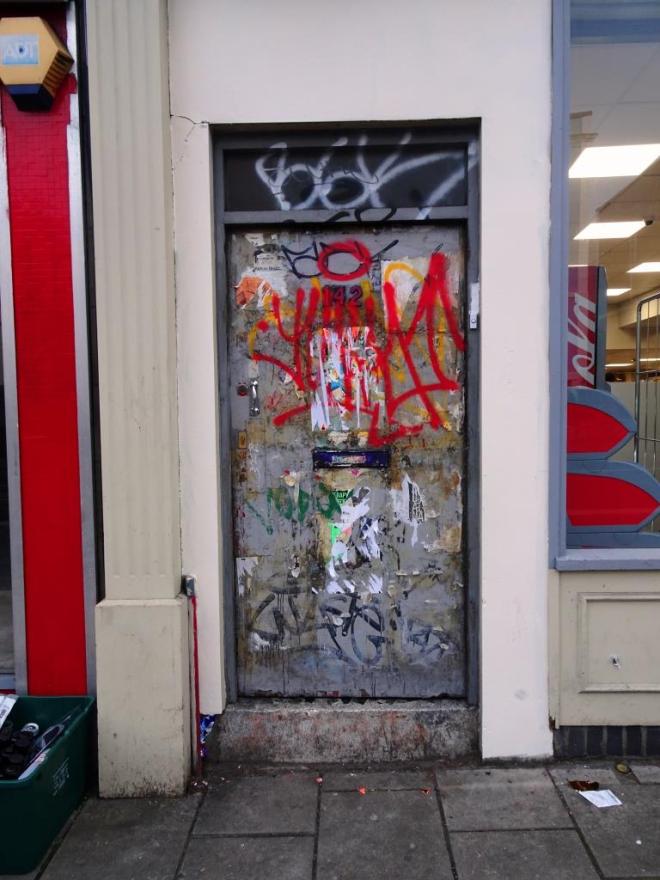
The next three doors are typical of the heavy tagging that goes on in this district. Nearly all of the housing in the area is rented accommodation, and landlords seem to be resigned to the futility of removing the tagging and graffiti – it is an accepted norm here. Having said that, I noticed this week that a couple of buildings have had a makeover and the walls and doors are all freshly painted…a blank canvass?
Door, Stokes Croft, Bristol, January 2019Door, Stokes Croft, Bristol, January 2019Door, Stokes Croft, Bristol, January 2019
The last door I have meant to include here before but never had the right story to tell with it. As a small enterprise just off Stokes Croft, it fits the bill nicely and rounds off this week’s doors.
Something a little different this week. I have had trouble with door inspiration, call it door writer’s block if you like, and didn’t even manage a post last week, so made a big effort this week to go out and damn well find some doors.
Salvation came in the unexpected form of Bristol Harbour Railway rolling-stock doors (I guess they all count). BHR is a heritage railway which runs for about a mile alongside the floating harbour from the M Shed to the Create Centre (a renovated former tobacco warehouse) passing by the SS Great Britain en route.
The railway operates two steam engines, Portbury (1917) and Henbury (1937) that carry people along the Harbourside during the summer for that nostalgic smut, smoke and steam experience – a must for young families.
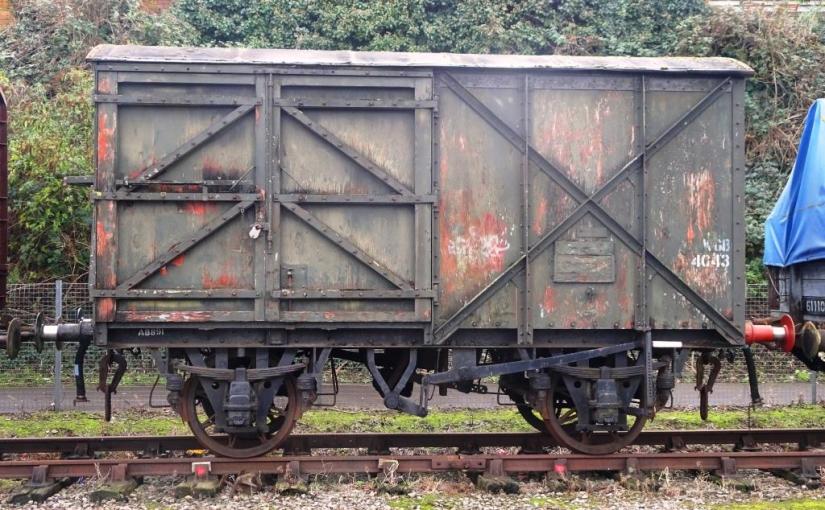
On the sidings just beyond the M Shed (a Bristol science/heritage museum) there are several of these wagons in varying stares of repair. Most have doors:
Thursday Doors, Bristol Harbour Railway, January 2019
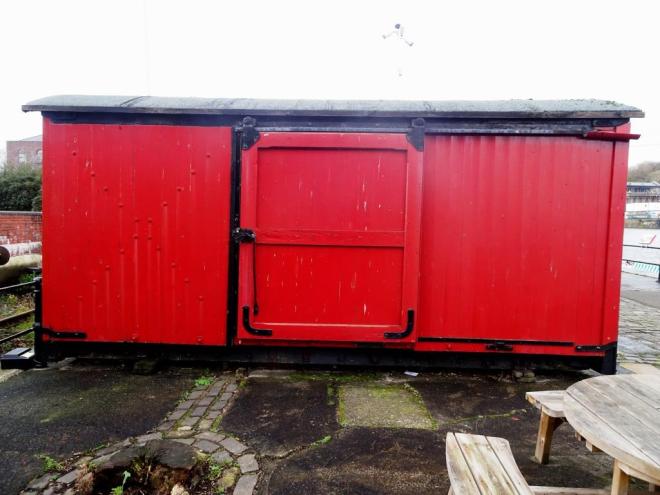
This red wagon is no longer operational and has been converted into a little cafe.
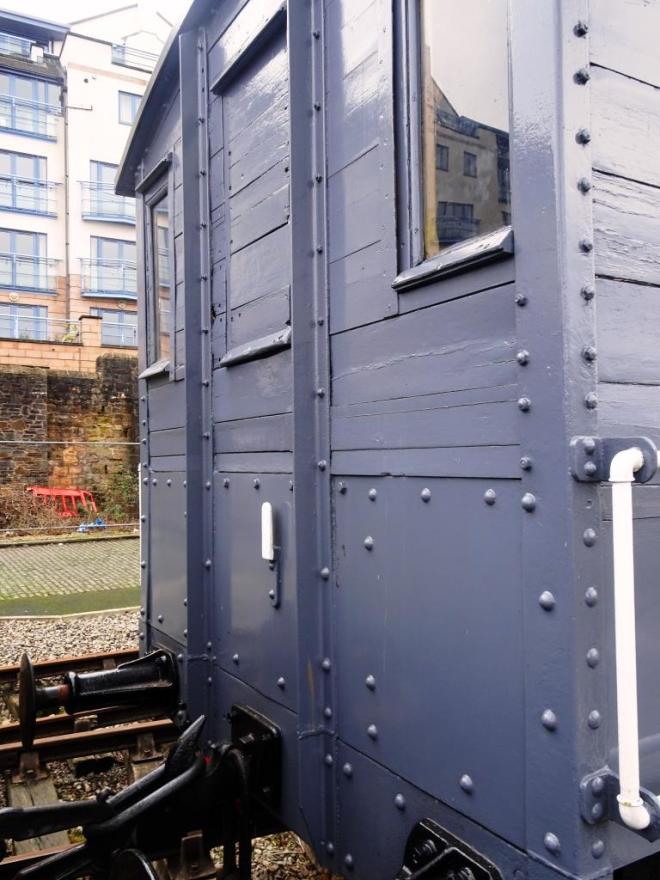
Thursday Doors, Bristol Harbour Railway, January 2019Thursday Doors, Bristol Harbour Railway, January 2019
Two sets of doors for the price of one
Thursday Doors, Sulphuric Acid Only, Bristol Harbour Railway, January 2019
OK, so no doors on this one but it is a stunning sulphuric acid tanker and its very recent renovation was completed on my birthday a couple of weeks back.
Thursday Doors, Bristol Harbour Railway, January 2019
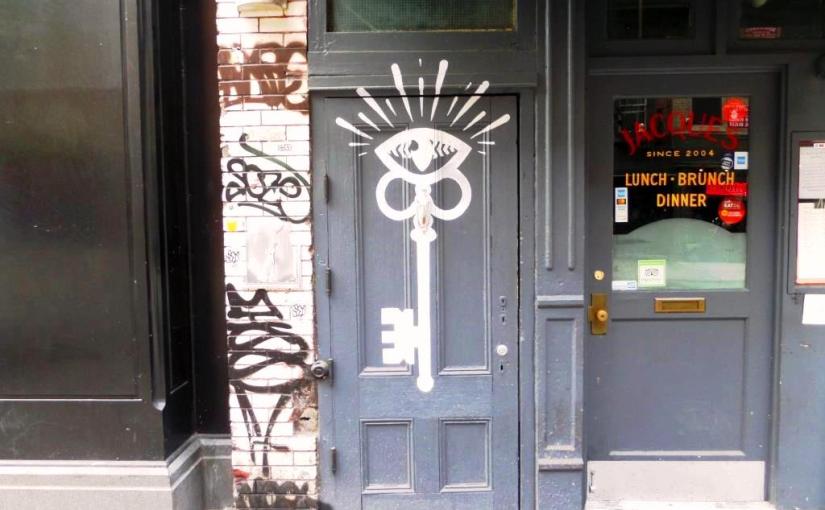
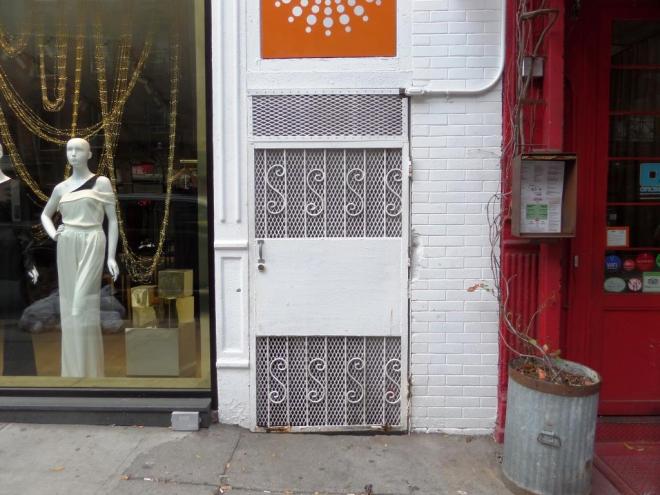
After the fortunate exhibition of doors right next to my work last week, I am left wanting a bit this week. I have gone into my Thursday Doors folder and will share with you three doors from my family trip to New York back in October 2017…is it really that long ago?
So here they are – I don’t quite remember where any of these doors were exactly as I was in my doorscursion infancy and didn’t make a note at the time. In the East Village area I think.
Thursday door, New York, October 2017Thursday door, New York, October 2017Thursday door, New York, October 2017
Street art door, A Year Outdoors, Bristol, December 2018
It would seem that just before Christmas, all my Christmases did actually come at once, which is a rare occurrence.
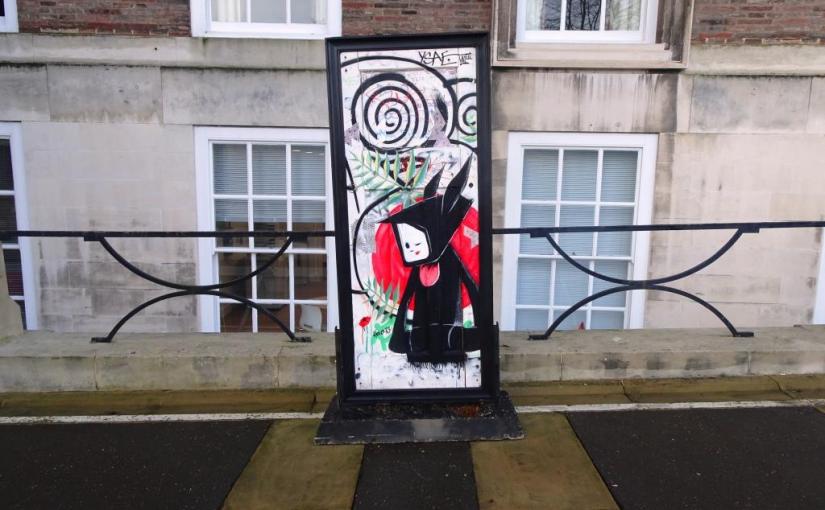
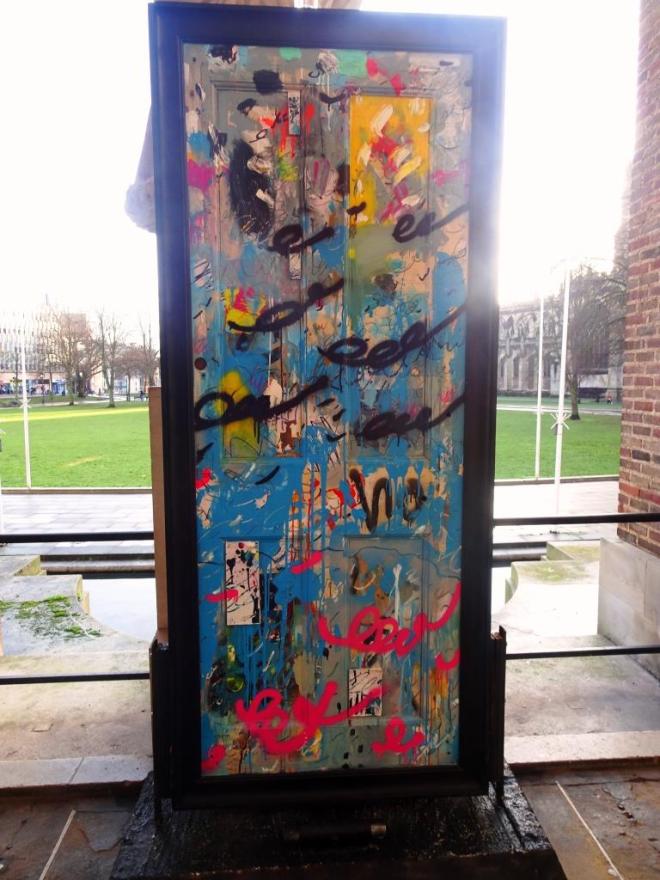
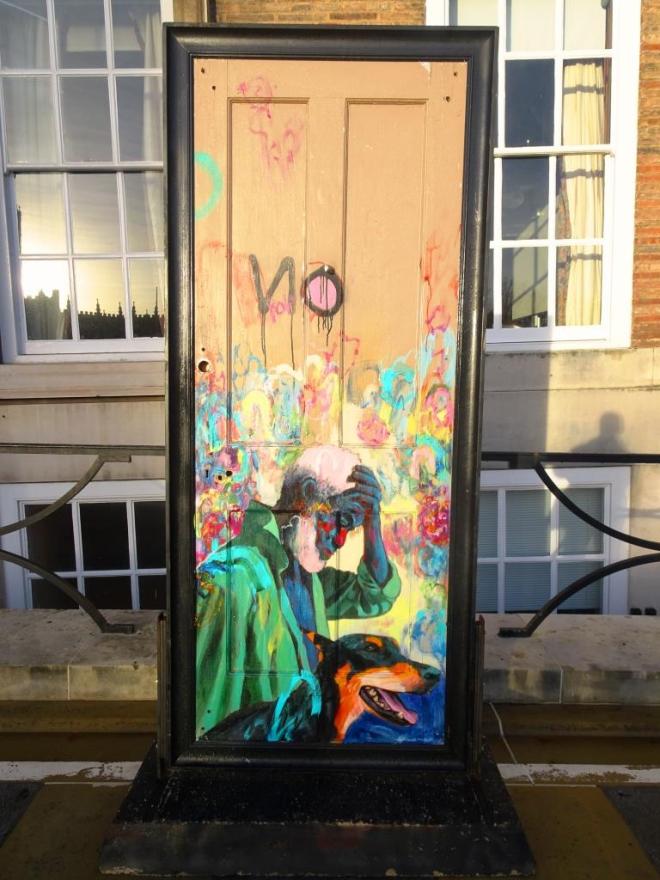
On my way to work I walk past City Hall, and on one of my last days in the office before the Christmas break, something caught my eye on the long ramps outside the front of the building. That something was not one or two, but several framed doors, each one painted by artists from Bristol.
Naturally I had to take a closer look and of course some photographs. Imagine how I was feeling…doors and street art combined and laid out neatly right next to where I work. I was in heaven.
The only thing missing was any kind of explanation, and it wasn’t until writing this post that I found out what this exhibition was about (Christmas got in the way a little bit).
The exhibition ‘A Year Outdoors‘ was conceived by artist Beau as a way of raising awareness of the pressing issue of homelessness, and these doors were created as a metaphor to challenge austerity cuts. I felt a small whiff of irony that it was the local authority who were hosting the exhibition, perhaps that’s why there weren’t any interpretation boards explaining what the doors were all about.
The doors have been packed away now, but they will be going on tour around the UK and to the United States.
So here they are:
Street art door, A Year Outdoors, Bristol, December 2018Alex Lucas, Street art door, A Year Outdoors, Bristol, December 2018Street art door, A Year Outdoors, Bristol, December 2018Street art door, A Year Outdoors, Bristol, December 2018Street art door, A Year Outdoors, Bristol, December 2018Alex Lucas, Street art door, A Year Outdoors, Bristol, December 2018Street art door, A Year Outdoors, Bristol, December 2018Street art door, A Year Outdoors, Bristol, December 2018
Norm has suggested that we post a review of our door year and I am a bit of a lazy so and so, so I will simply post my top 5 doors from the year…the ones that did it for me.
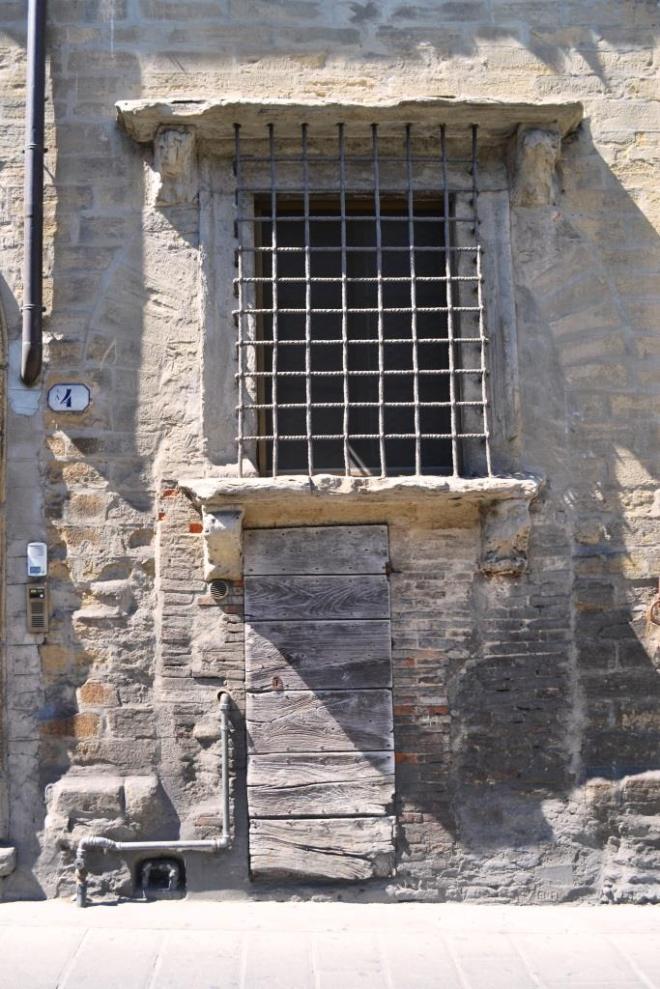
The featured image, the door of the dead in Citta di Castello would have come in at number 6.
Number 5 – Montpelier, Bristol
Door, Montpelier, Bristol
Number 4 – Fowey, Cornwall
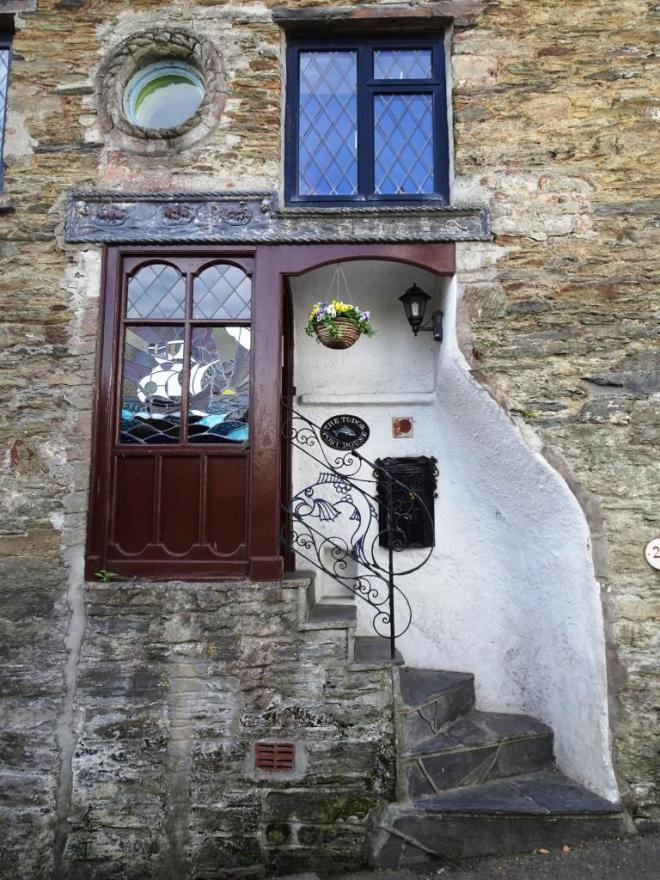
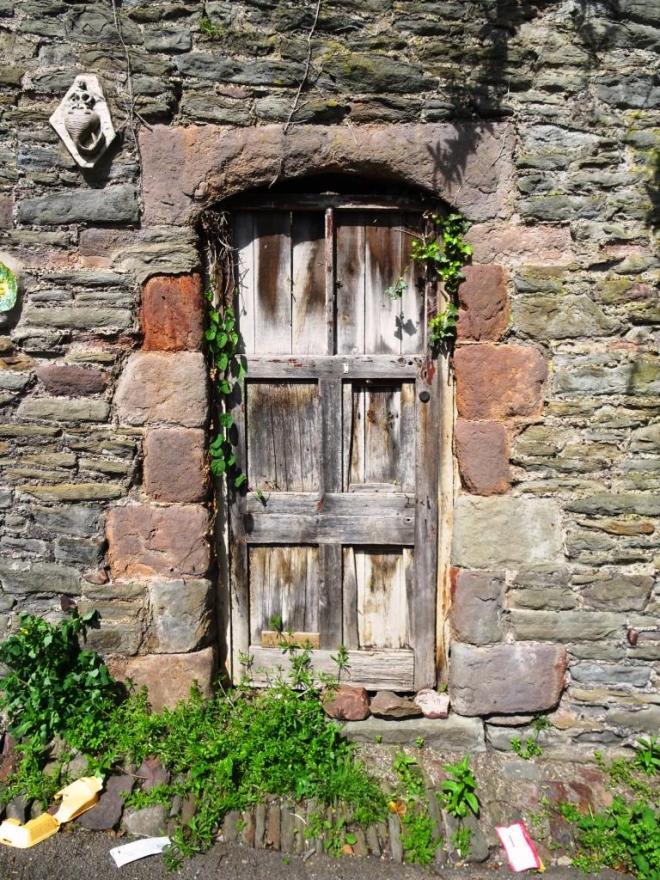
Fancy Fowey doorway, August 2018
Number 3 – Citta di Castello, Umbria, Italy
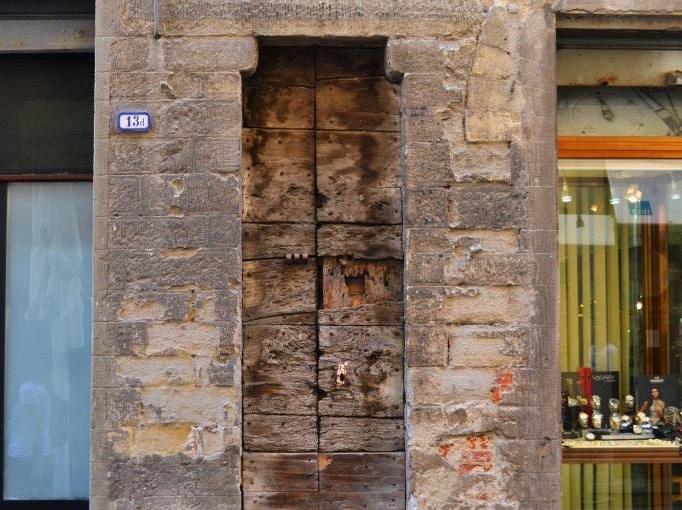
Door with plenty of character, Citta di Castello, Umbria, Italy
Number 2 – Barcelona, Spain
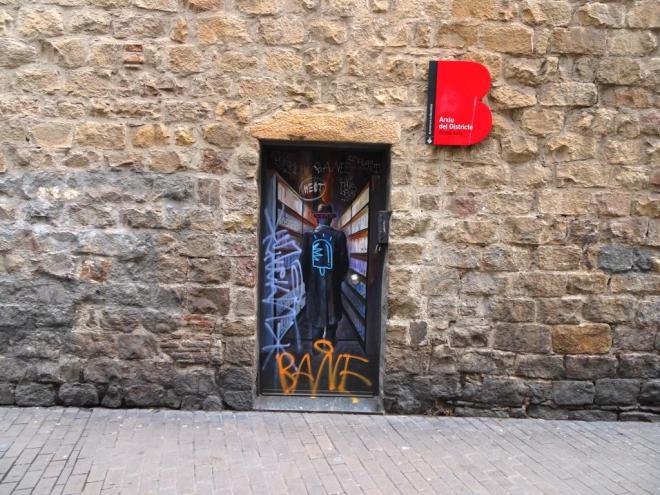
Door, Barcelona, March 2018
Number 1 – Bristol
Door, Bob Ballard, Bristol, Thursday Doors
There is a theme here, which perhaps defines my kind of door, can you see what it is?
So there it is. My favourites for the year. I look forward to viewing contributions from other interweb ‘doorsters’.
Thank you Norm for orchestrating Thursday doors and this querky community.























 Natural adventures