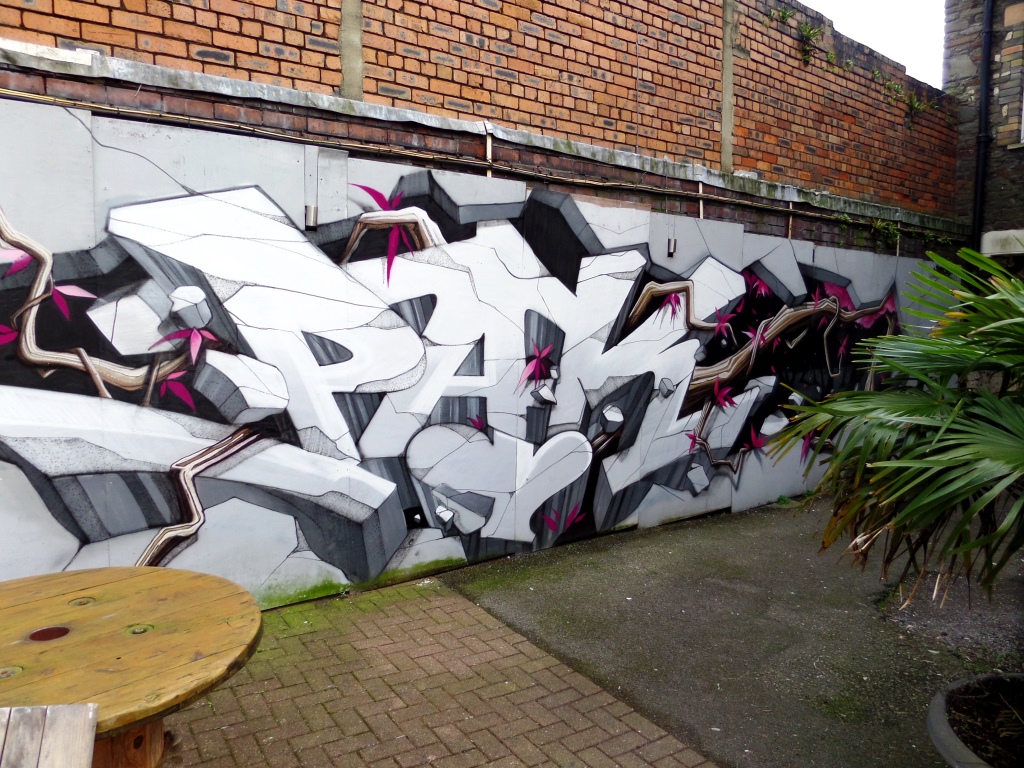
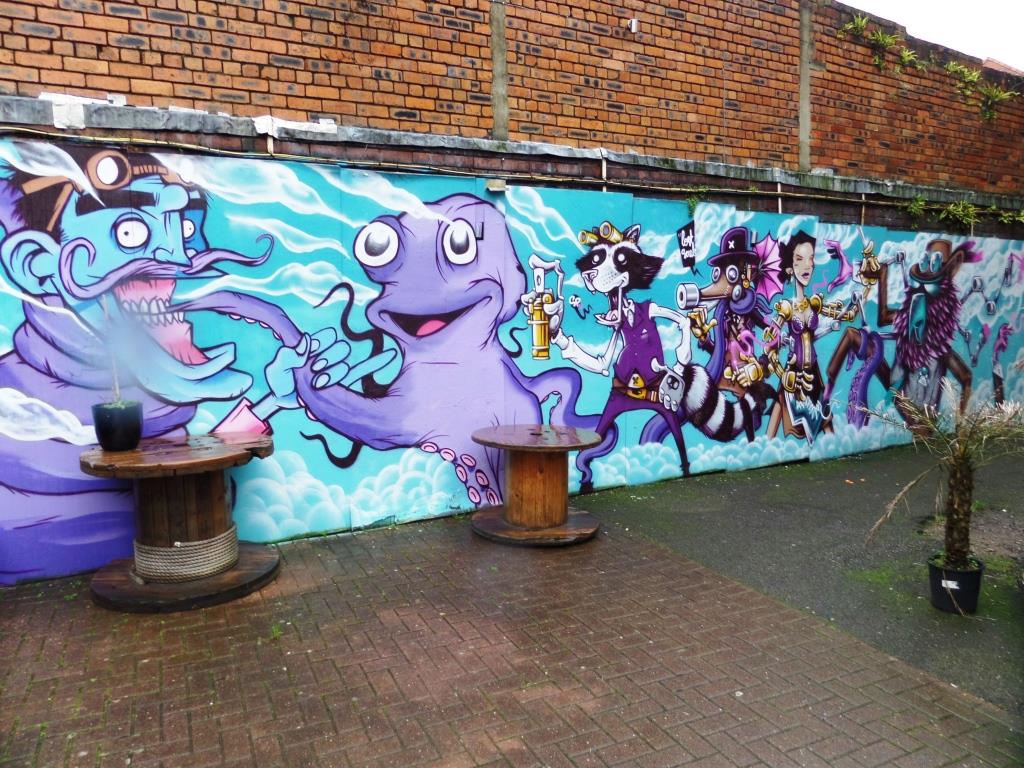
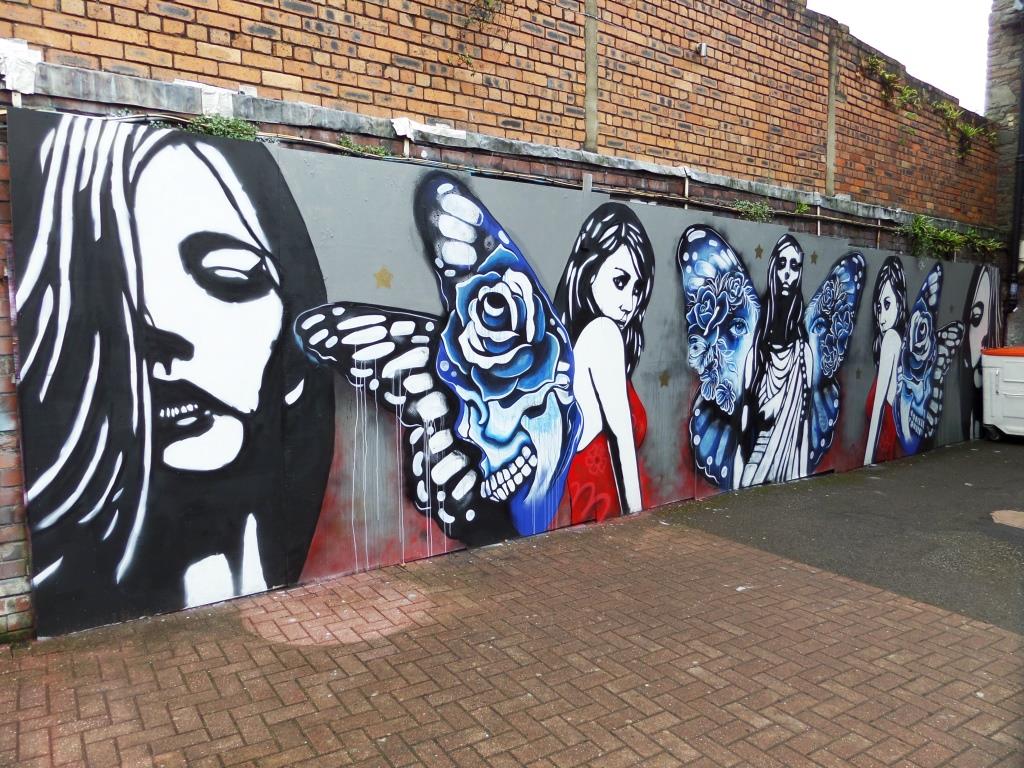
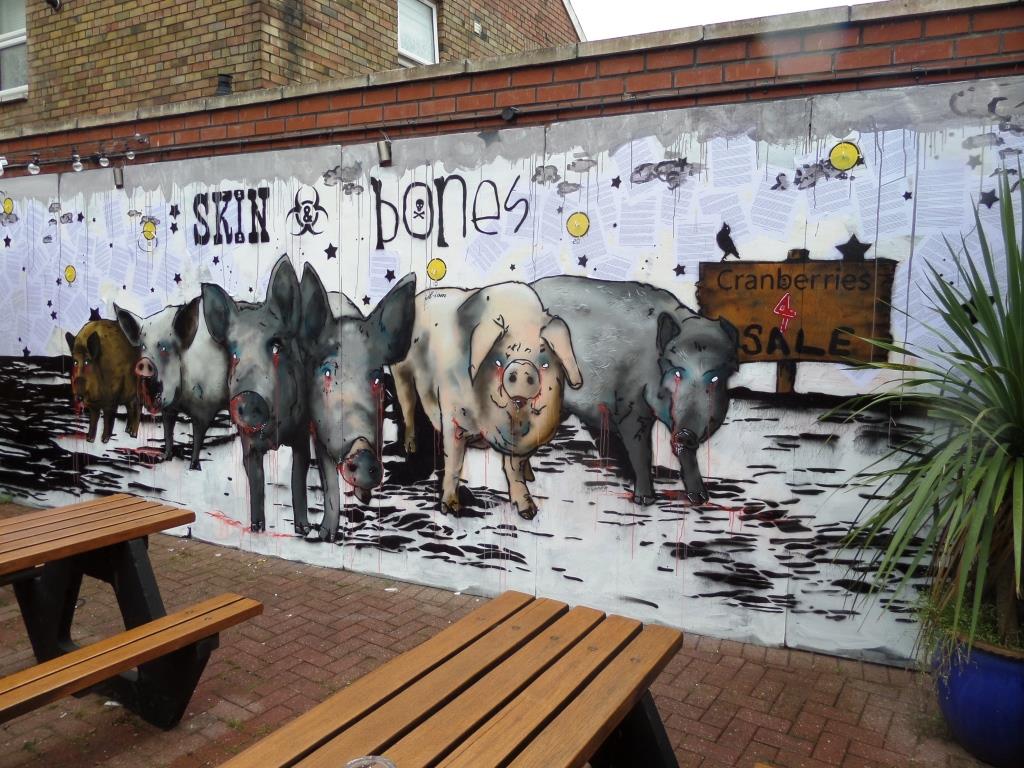
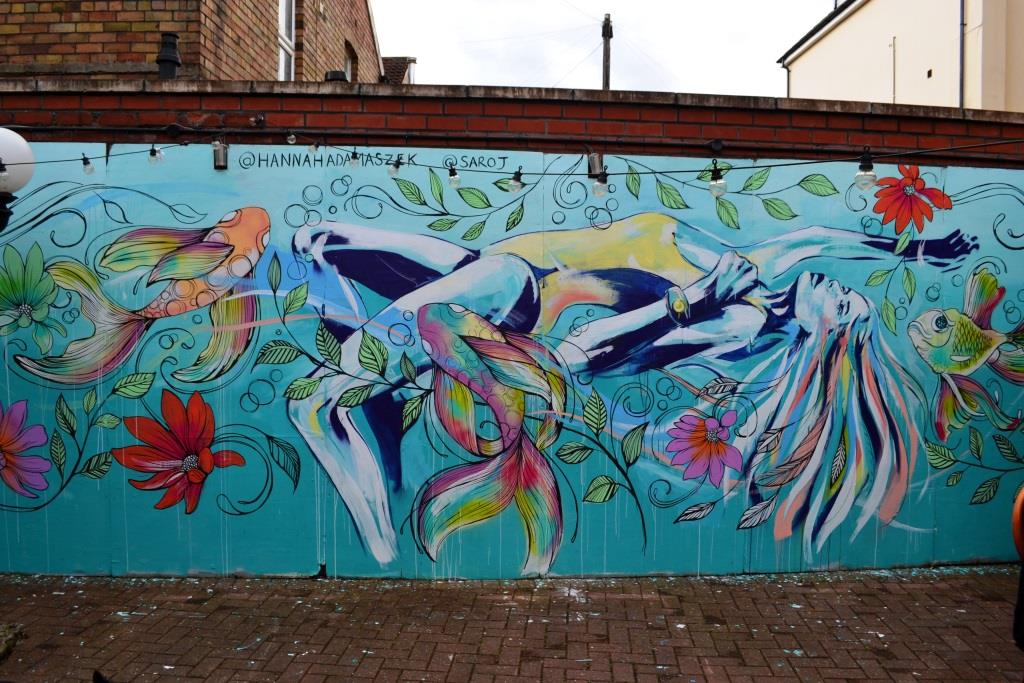
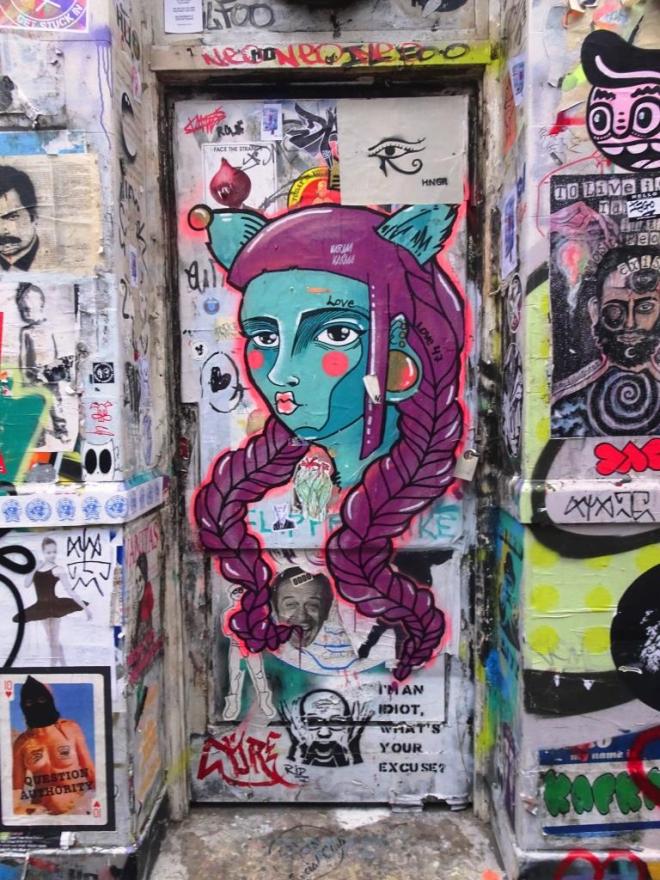
At the far east end of North Street, Bristol, is the colourful Steam Crane pub, which during Upfest plays host to several walls in its beer garden/back yard. There is a little side passage just to the right of the pub which leads you directly into the yard, and the wall on the right is always crammed with great street art.
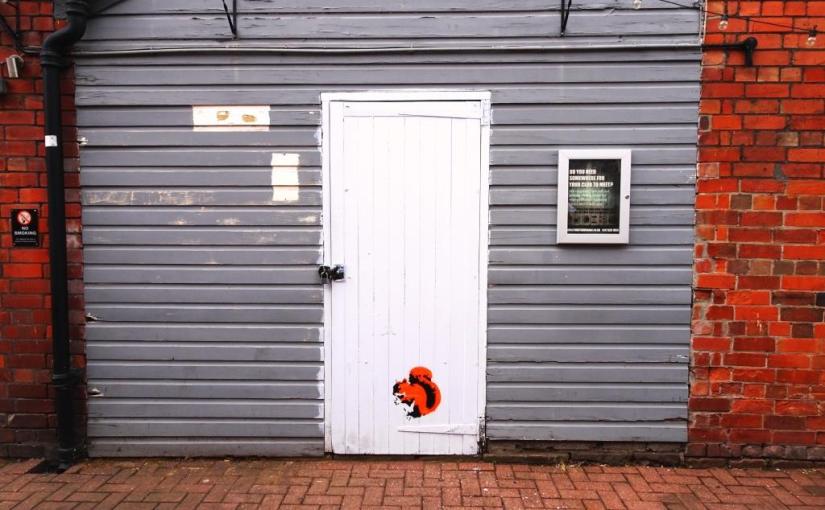
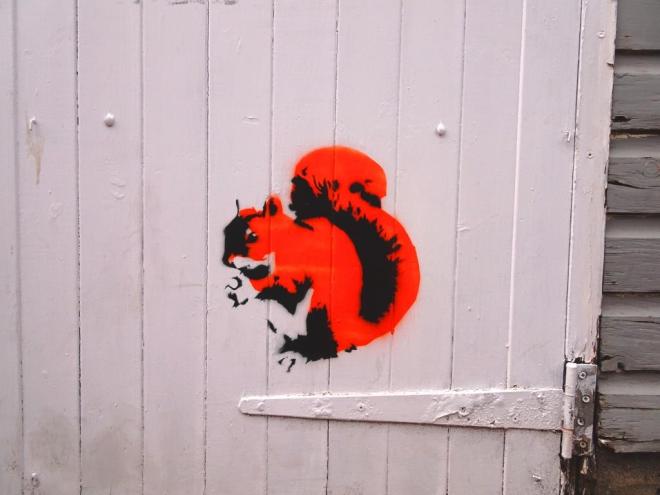
On entering into the yard, the far left-hand wall is also given over to a large piece for Upfest. Along the back brick wall however, there is no street art, except for this cheeky little red squirrel by Bristol’s Stewy, whose stencils can be found all over the city.
Thursday doors, The Steam Crane, Stewy squirrel, Bristol
The door is plain, but the whole scene – the grey timbered facade, white door and squirrel – seem to come together in a pleasing way.
Squirrel by Stewy on a door in the back yard of The Steam Crane
The squirrel is a stencil that Stewy has used many times about the place but it doesn’t matter how many times you see it, it always charms.
Here are some Upfest pieces from the walls of The Steam Crane:
Pakone, the Steam Crane, Bristol, January 2016Lost Souls, Upfest, Bristol, July 2016Gemma Compton and Copyright, Upfest, Bristol, July 2017John Curtis, Upfest, Bristol, July 2018Id-iom, Upfest, Bristol, July2016Hannah Adamaszek and Saroj, Upfest, Bristol, July 2017
Well, I have taken a couple of weeks off from Thursday doors for two key reasons. 1) I had run out of door pictures and 2) is irrelevant because of 1).
Last Sunday I found myself in London with some time to kill, so I took off down to Shoreditch to hunt down some street art. Over the course of 4 hours or so, I took just shy of 500 pictures and walked 15 miles. While I was there I managed to find a few doors, and I am sharing the first of them here. There is, rather predictably, a strong street/graffiti art connection.
Thursday Doors, Shoreditch, London, November 2018
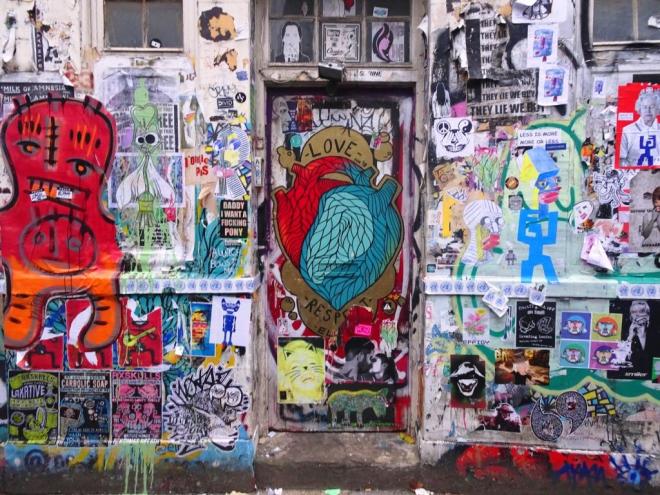
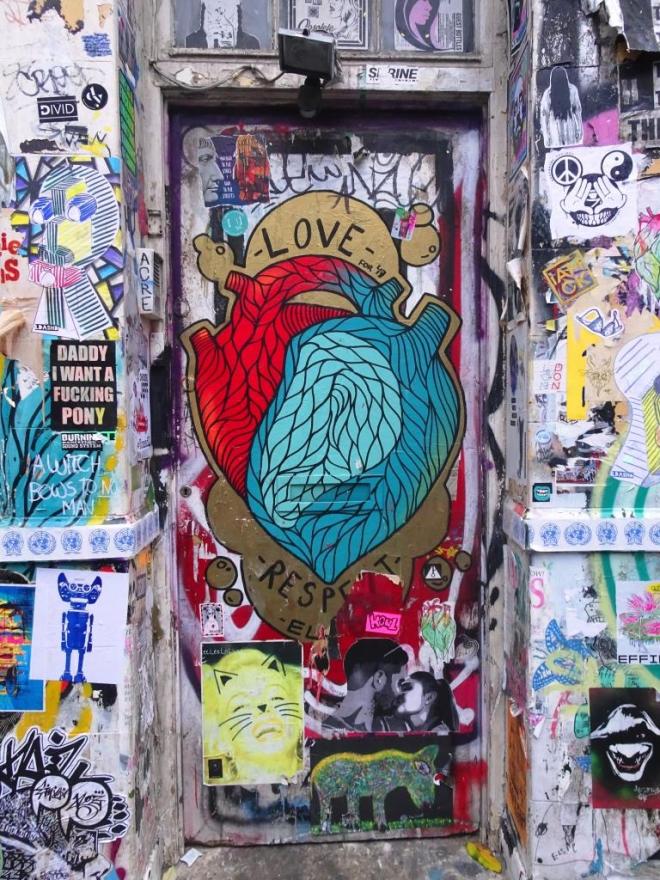
These doors are in a street heavily patronised by wheatpasters – it is worth taking a moment to look at the artworks as there is a real spectrum from poor to excellent.
Shoreditch door, November 2018
There is hardly a square inch of un-pasted door/wall and looking at it is almost like looking at an archeological dig, with different eras exposed. To many this is just a mess, to me it is individual expression in a space where freedom is tolerated/permitted.
Well here you have it – one year of Thursday doors on Natural Adventures. Technically speaking I have been doing this for just over a year now, but have missed the odd week now and again. For my own satisfaction though I couldn’t really celebrate one year of Thursday doors until I had completed 52 weeks.
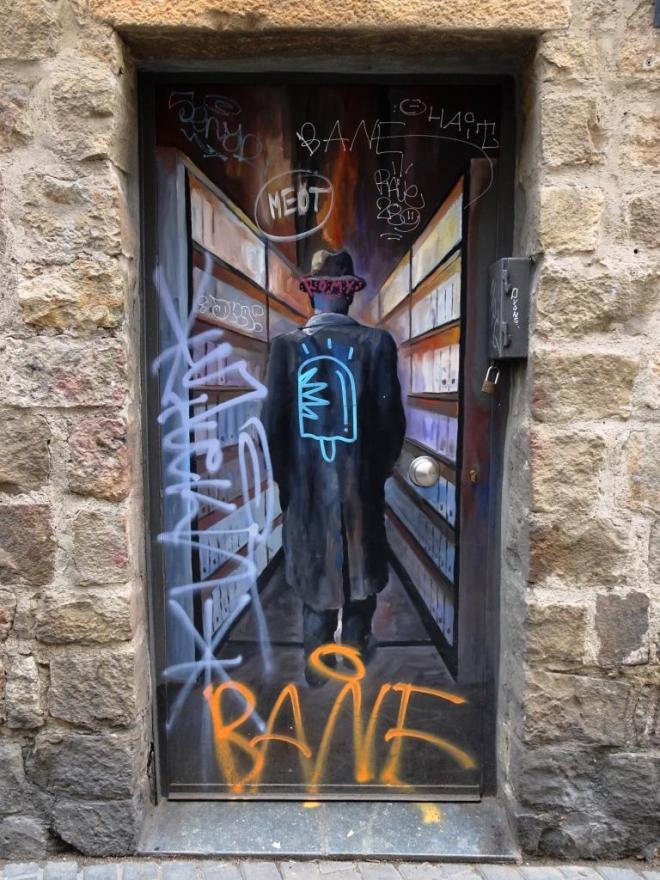
Just the one door this week, and one I know little about. I took the picture while on a short break in Barcelona back in March and it combines two passions…Doors and street art. I don’t know the artist, and I am way too lazy to look up much about the building the door is on, besides which I don’t think it really matters. It is just a great door.
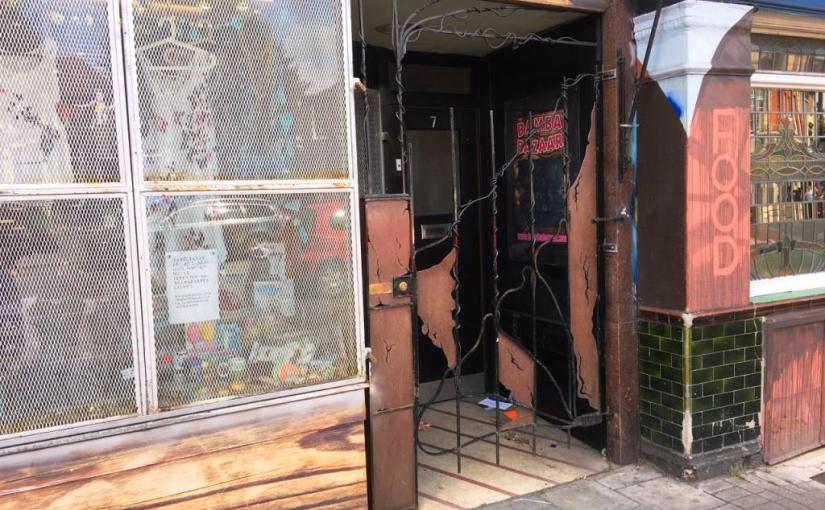
This is an unlikely piece of door art next door to what I guess is my local pub, The Prince of Wales, which incidentally was painted by one of my favourite Bristol artists Andrew Burns Colwill…but that is another story.
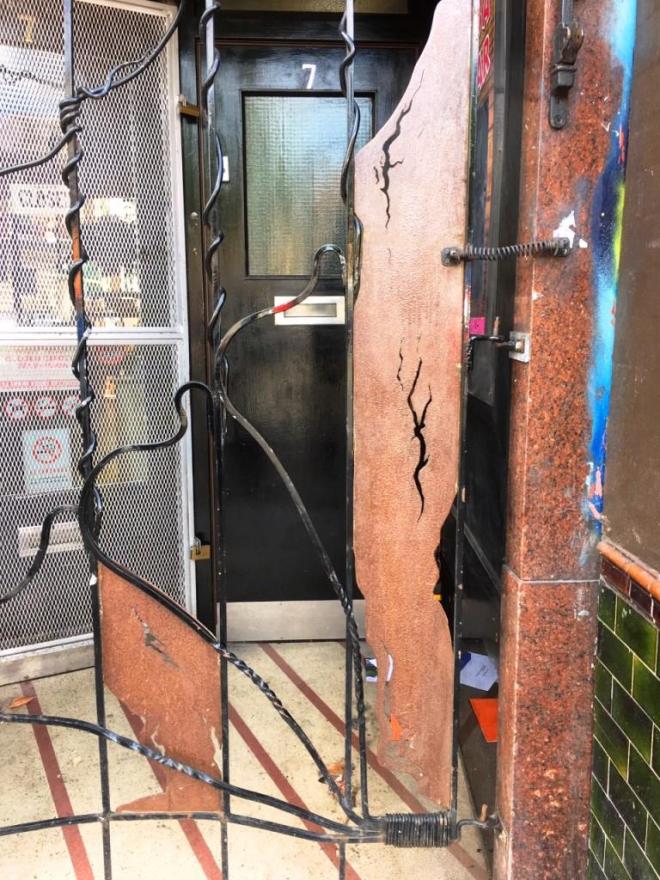
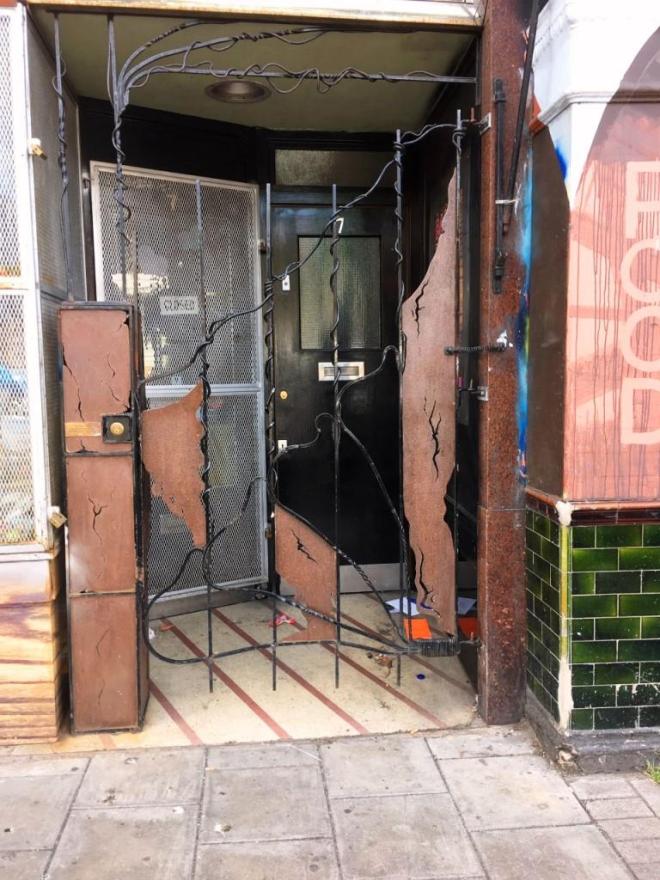
Door, Bamba Bazaar, Gloucester Road, Bristol
I wasn’t looking for this door, which I think has been there for some time, but kind of noticed it while I was waiting at the pedestrian lights to cross the road earlier this summer. Actually it is more of a gate than a door, but it is utterly magnificent.
Door, Bamba Bazaar, Gloucester Road, Bristol
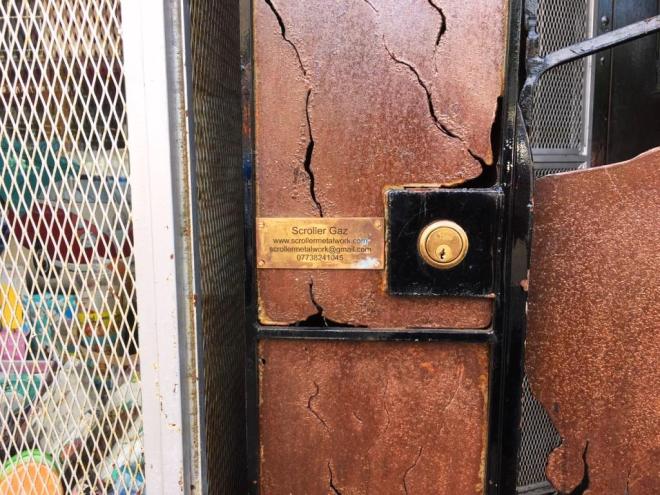
The gate actually guards the entrance to two further doors (so you get three for the price of one). I would think it was commissioned by Bamba Bazaar, a shop that specialises in beads (I bought some beads there once) and was constructed by Scroller Metal Work.
It would be nice if more businesses put in the effort to commission something beautiful and practical like this, but it is really rather un-British. I would expect to see something like this in Barcelona or Paris and perhaps take it for granted, but here in Bristol it is a hidden gem. It pays to look around.
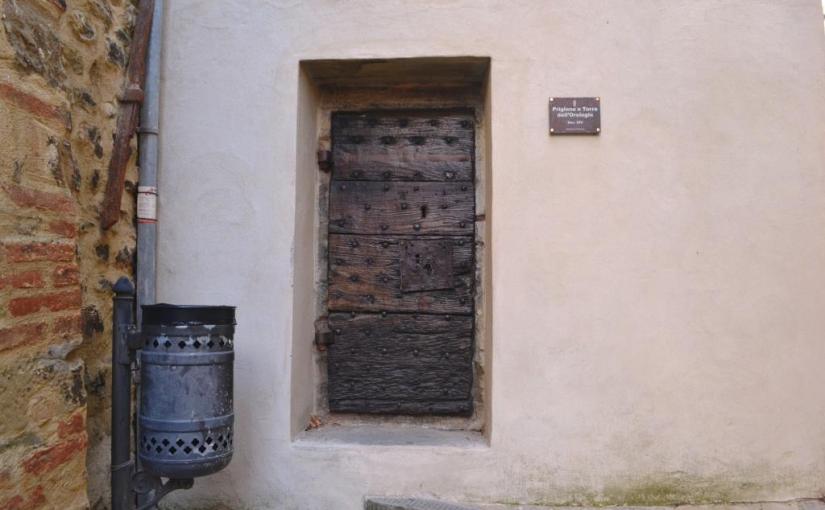
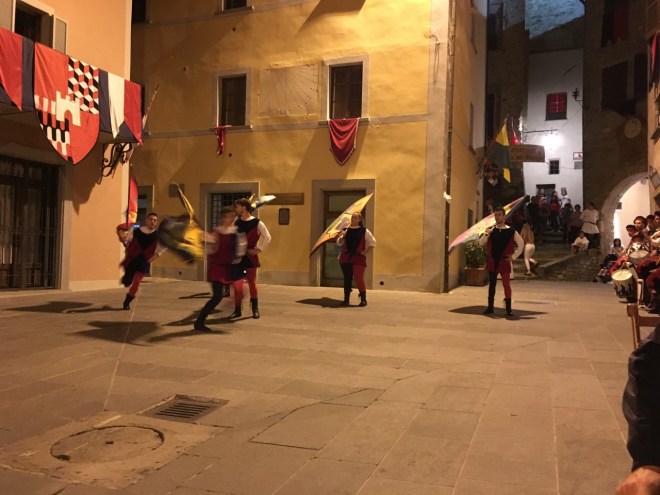
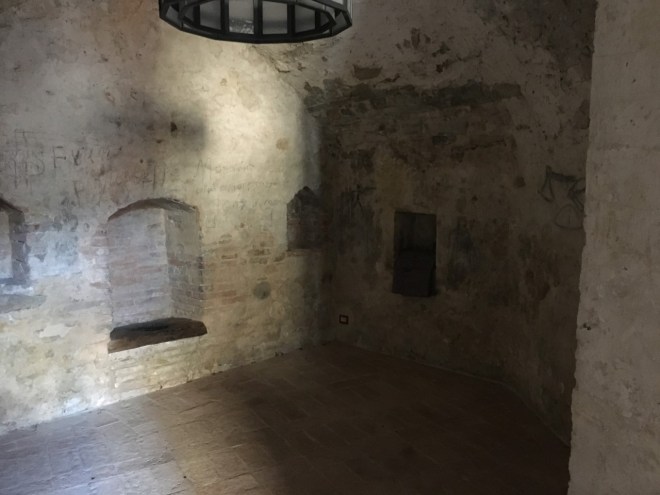
Only one door for you this week, but it really is a pretty special door. Sited at the base of the ‘prigione e torre dell’orologio’ (prison and clock tower) at the north end of Piazza Fortebraccio in Montone, this rather small ancient door opens into a prison cell.
I am not sure how old the door is, but the tower dates back to the 14th Century.
Prison and clock tower, Piazza Fortebraccio, Montone, Umbria, August 2018Prison door, Piazza Fortebraccio, Montone, Umbria, August 2018Flag waving at the festival of the donation of the sacred thorn, Piazza Fortebraccio, Montone, Umbria, August 2018Prison door, Piazza Fortebraccio, Montone, Umbria, August 2018Prison cell, Piazza Fortebraccio, Montone, Umbria, August 2018Prison cell, Piazza Fortebraccio, Montone, Umbria, August 2018
This amazing church is one of my favourite places in Bristol. Overlooked by many, it is a hidden jewel in the crown of the city, and I am certain most people simply walk past it without a second thought.
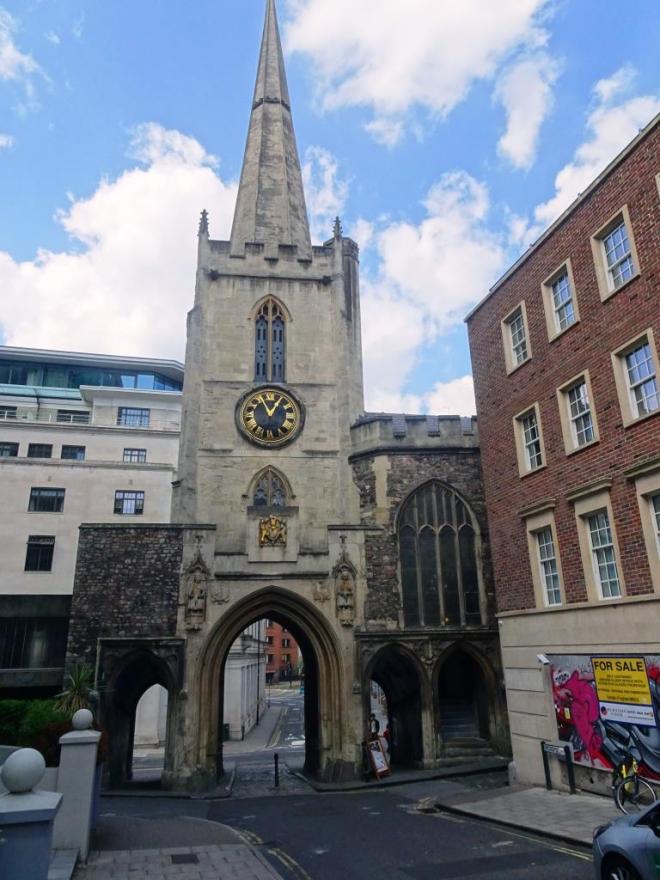
The correct name of the church is Church of St John the Baptist, but it derived its nickname from the fact that it was built onto the city wall in the 14th century. The church is long and rather narrow because it was built into the wall and its width dictated somewhat by it. The church is no longer active and is owned and looked after by the Churches conservation trust.
The last remaining gateway in the city of Bristol, Church of St John the Baptist, Bristol
The archway in the middle under the tower and steeple is the last remaining gateway of the old city wall. The two side passageways were added I think in the 19th century and although they look authentic, were not part of the original church. Each of the side tunnels plays host to some murals that could probably do with a bit of a refresh if I am honest. The stairway on the right of the picture is the entrance to the church.
Church of St John the Baptist, nave seen from the organ gallery
Once inside, you take a right turn and are immediately faced with a spectacular nave. On my most recent visit I was told that prior to the Reformation these spotless white walls would have been draped in all manner of artwork and furnishings and the place would have been heaving with atmosphere.
Oops – doors, I almost forgot…
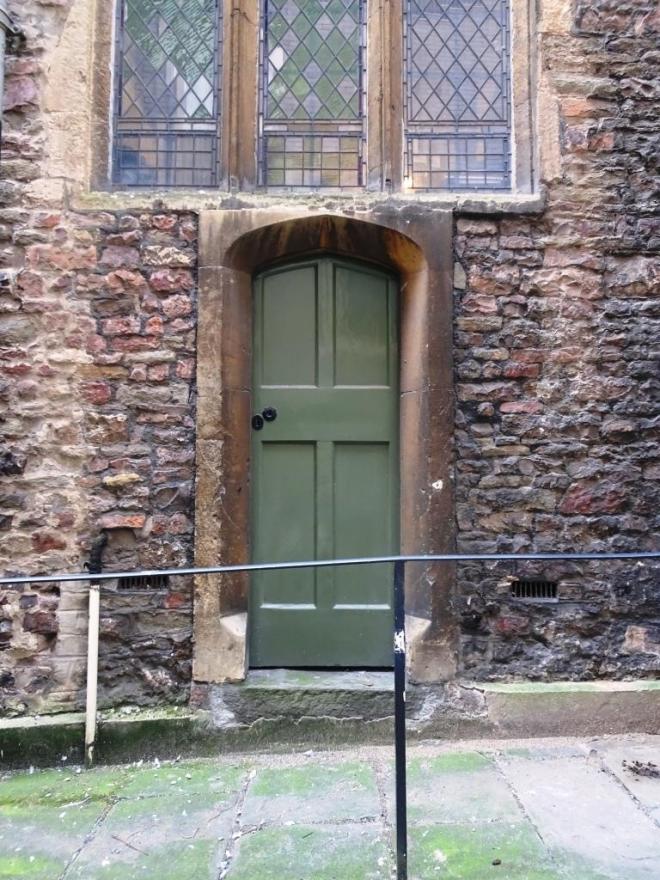
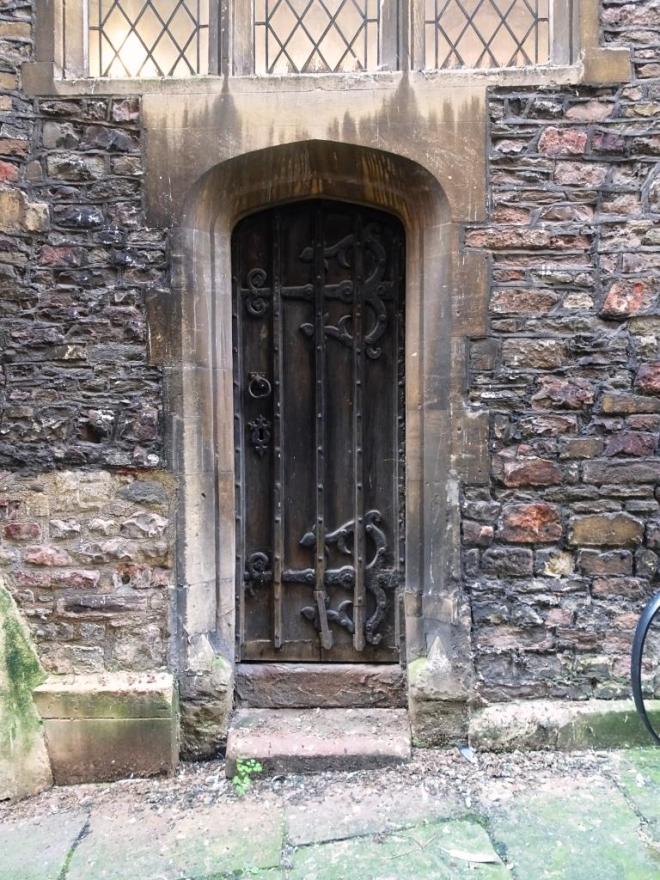
Door on the inside of the city wall, Church of St John the Baptist, BristolDoor on the inside of the city wall, Church of St John the Baptist, Bristol
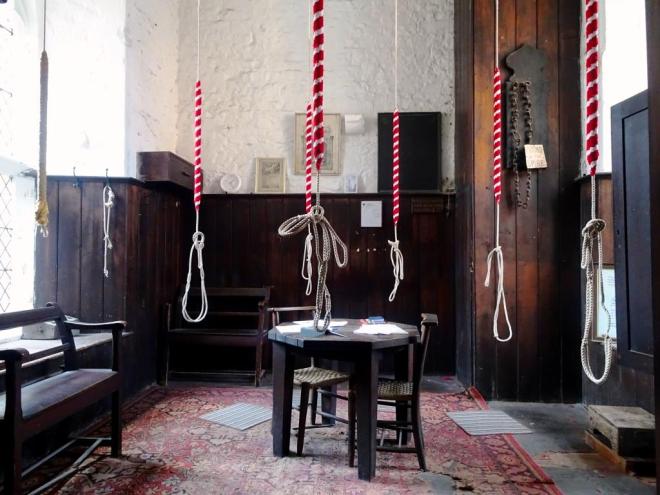
From the entrance you can continue up into the tower (if you are lucky and the nice steward/warden lets you), rising up a second staircase, slipping to one side of the organ and climbing a further set of stairs, before entering into the bell tower.
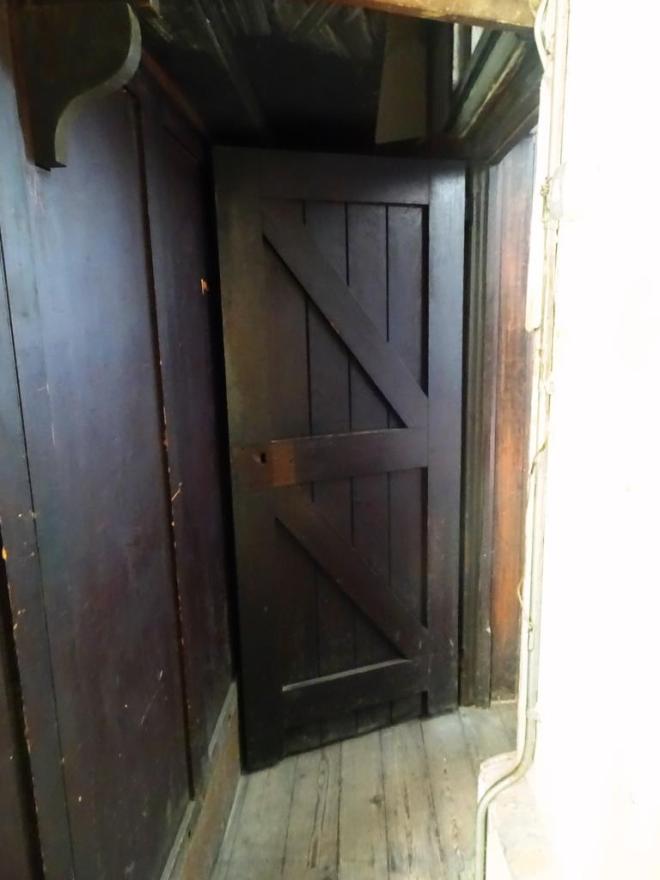
Door behind the organ, Church of St John the Baptist, Bristol
One of the amazing features of this church is that some of the little rooms feel like they are exactly as they were forty or fifty years ago…time has stood still – there is something magical about this rather tatty, well-worn place.
Bell tower, Church of St John the Baptist, Bristol
The steward told me that I was welcome to ring some bells if I wanted to, but I bottled it…what if something went wrong?
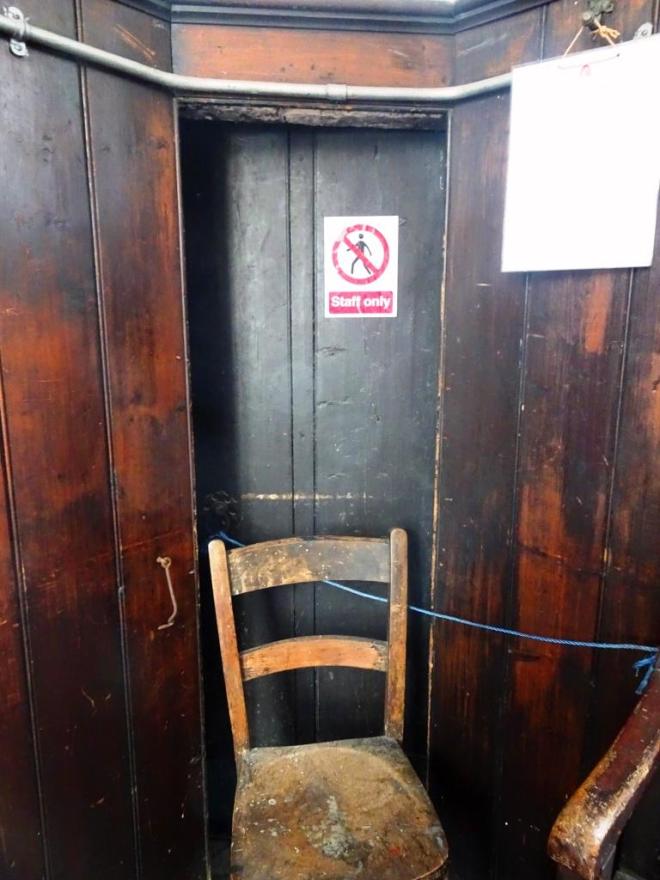
Staff only door, Church of St John the Baptist, Bristol
There was a lovely slim ‘staff only’ door in the bell tower and I was desperate to take a little look, but again I decided I’d just leave it like it was.
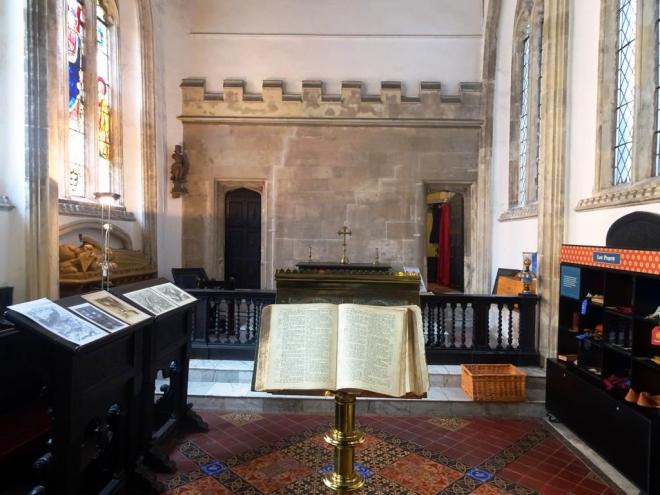
Top end of the nave, Church of St John the Baptist, Bristol
At the ‘business end’ of the church there were two further doorways into a little ante-room where I guess the priest would prepare for his services, remember there are no side rooms in this church, everything lines up with the course of the city wall.
Floor tiles, Church of St John the Baptist, Bristol
Looking down, the tiles are to die for.
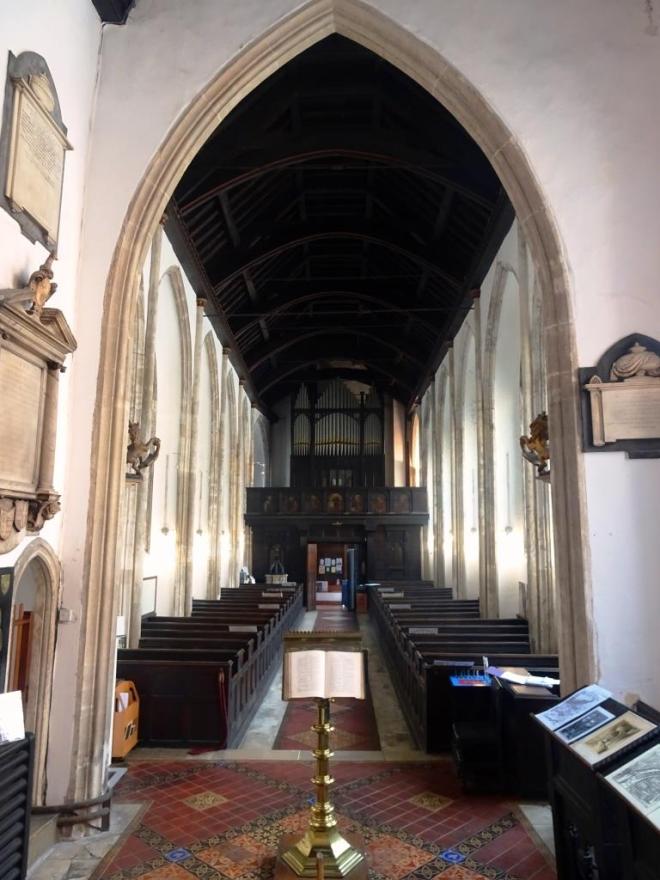
View of the nave and organ, Church of SDt John the Baptist, Bristol
Looking back in the other direction you can see the organ gallery and get a different perspective of the nave. Oh yes and there are some more doors…
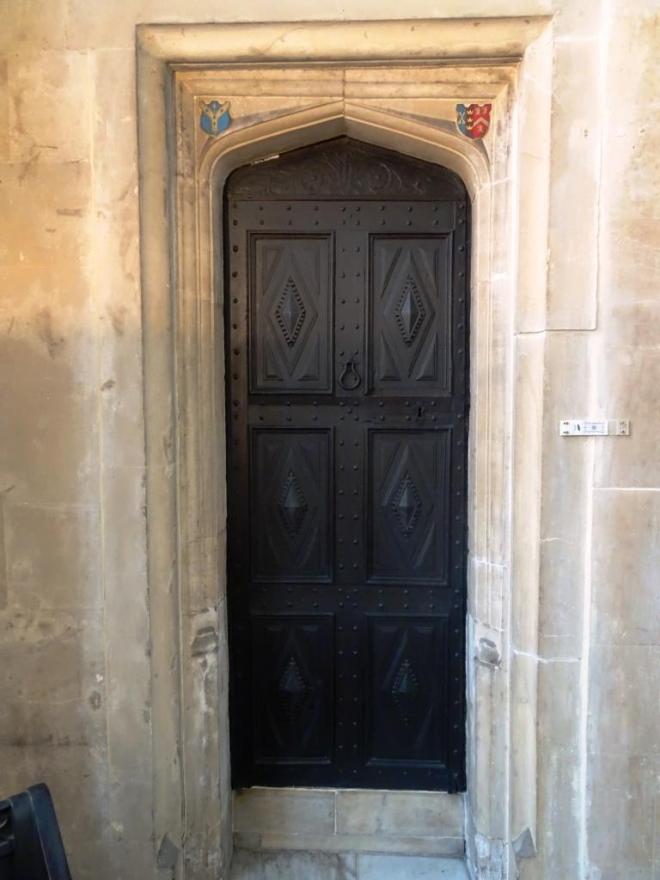
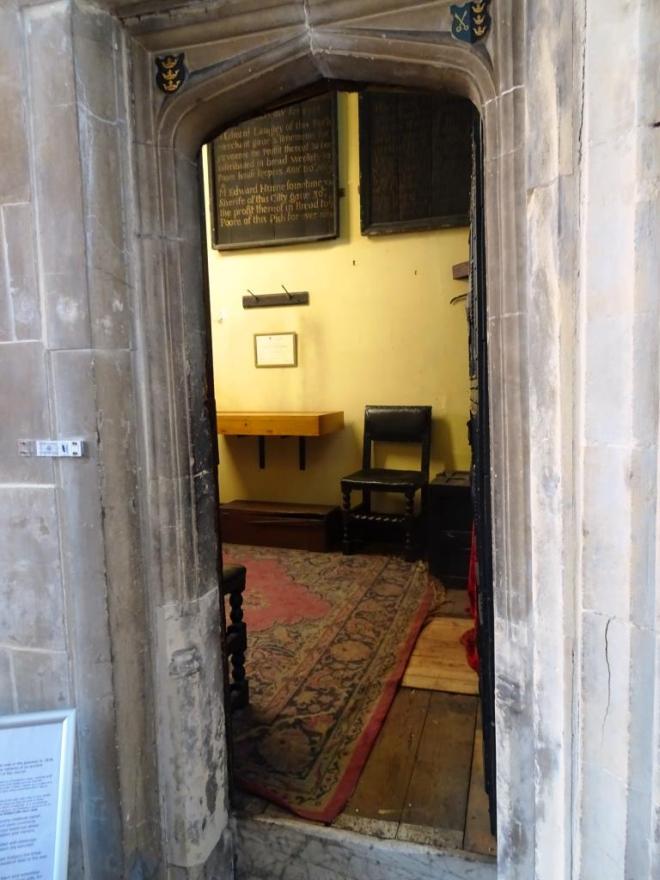
Door gate to the pulpit, Church of St John the Baptist, BristolDoor, Church of St John the Baptist, BristolDoorway, Church of St John the Baptist, Bristol
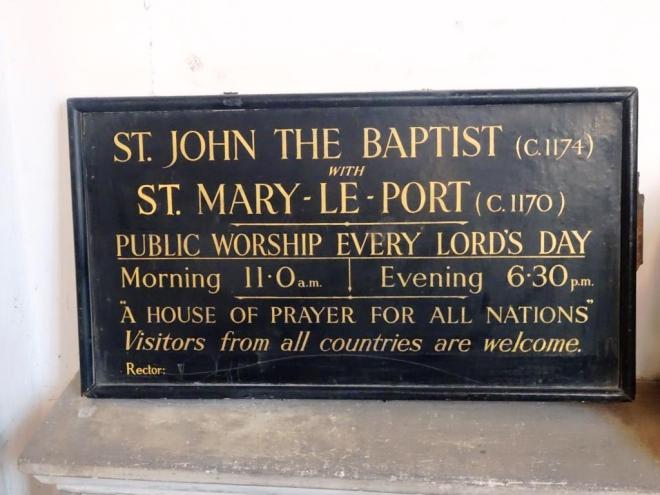
Finally I’ll round off this post with a little sign in the church which although very pretty might not be entirely accurate on its dates.
Sign in the Church of St John the Baptist, Bristol
And that’s it for another week – don’t expect anything like this many doors every time!
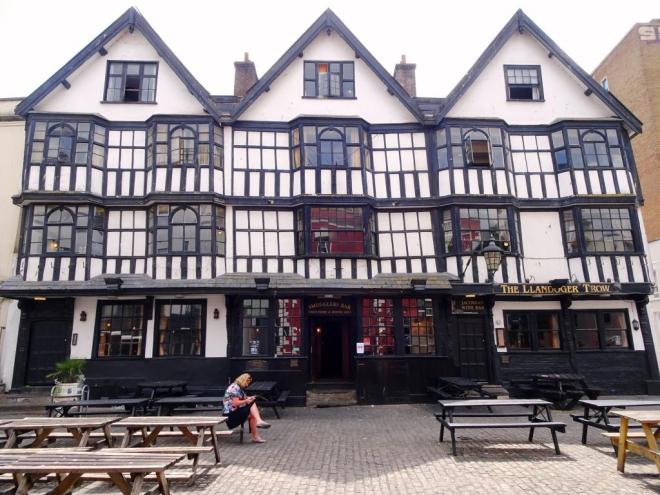
This week I have pulled out some pictures I took back in July with Thursday Doors in mind. They are of a very popular pub in the centre of Bristol, the Llandoger Trow in King Street, diagonally opposite the very recently refurbished Theatre Royal.
The Llandoger Trow gets its name from a small village in South Wales, Llandogo, and a trow, which is a flat-bottomed sailing boat that could lower its mast for navigating under bridges. It was named by a former owner of the pub, Captain Hawkins, who lived in Llandogo.
Llandoger Trow, King Street, Bristol
The building dates from 1664 but it was damaged during the war, like so many buildings in Bristol, and originally had five gable fronted sections – it had been a row of houses. In the middle, the pub has an 18th century shop front, but the doors although they look old are in fact 20th century, the door frames much older.
Door, Llandoger Trow, King Street, Bristol
I love the way that around old buildings grow great stories, some of which might be based on some kind of truth, but many are part of our urban mythology. One story says that the pub was the inspiration behind Robert Louis Stevenson’s Admiral Benbow in Treasure Island, another story is that Daniel Defoe met Alexander Selkirk, his inspiration for Robinson Crusoe here.
Door, Llandoger Trow, King Street, Bristol
No self-respecting old building is complete without a ghost and the Llandoger Trow boasts some fifteen of them! Can’t say I’ve ever seen one, although I have seen some rather deathly looking characters emerge at closing time.
Door, Llandoger Trow, King Street, Bristol
And round the side is a rather ordinary door and this ‘upside down’ window.
My sister and family have recently bought a farmhouse in Cornwall not too far south of Bodmin. This is excellent news for me, as there is a ready-made bolt-hole for short breaks with the family and dog. In fact I posted some Fowey doors a short while back on such a visit with my daughter in August. Even better than that is that it can serve as a new base for my annual fishing trips with my fishing partner of thirty years.
At the start of September, he and I went away for a few days and our primary task was to check out the coastline from St Austell to Plymouth. Now I am very familiar with Cornwall and spent pretty much every school holiday in Flushing, opposite Falmouth, staying with my grandparents, but this South East coastline of Cornwall has largely remained off my radar.
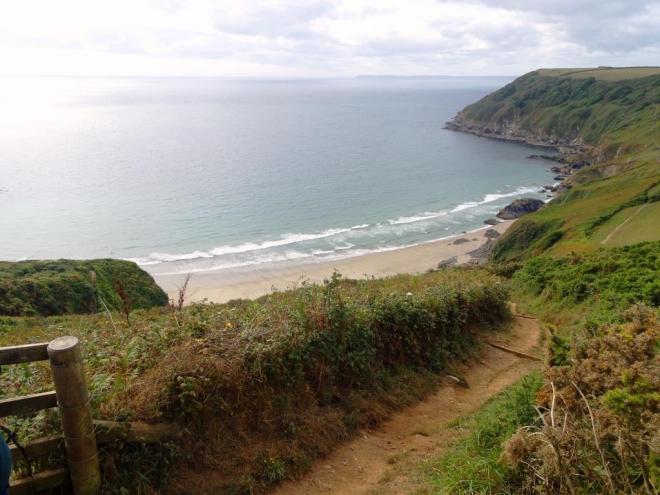
On our last day we decided to pop into Fowey for some breakfast before fishing on the other side of the estuary in Polruan. As it happened, we abandoned that idea and instead fished the most beautiful bay imaginable called Lantic Bay, a few miles East of Polruan.
Enough context setting – in short, I found myself back in Fowey, so here are some more doors from this recent fishing trip.
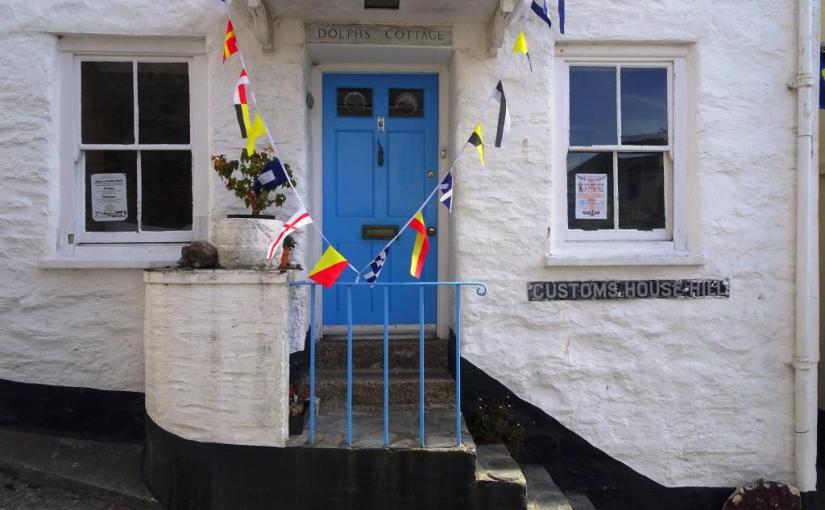
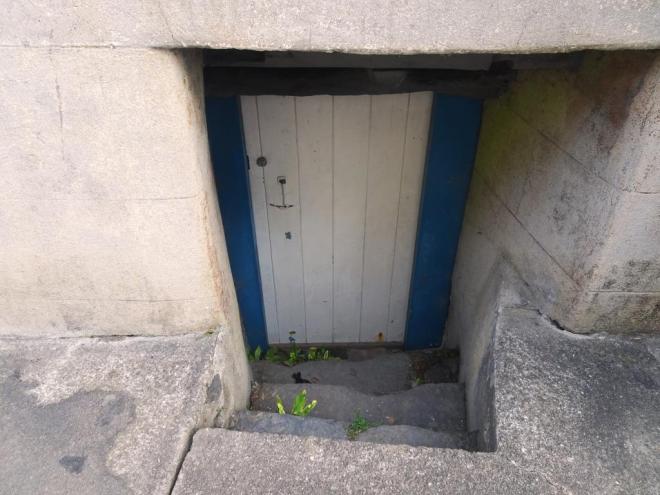
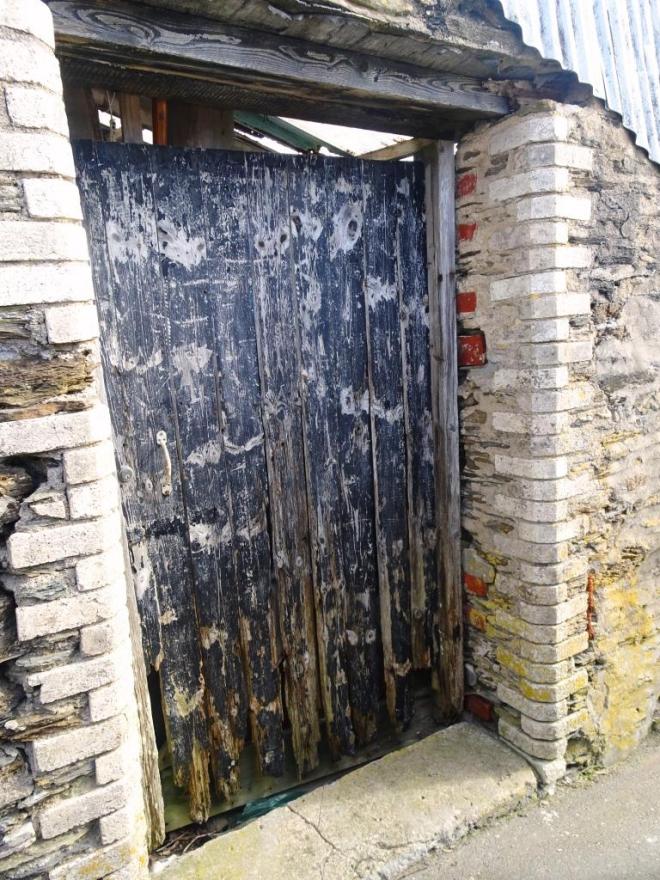
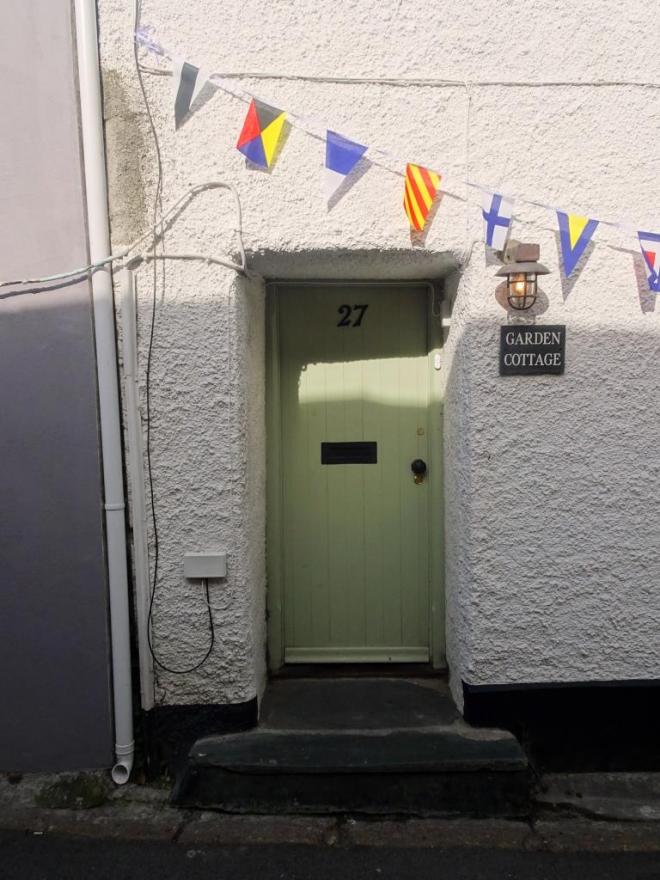
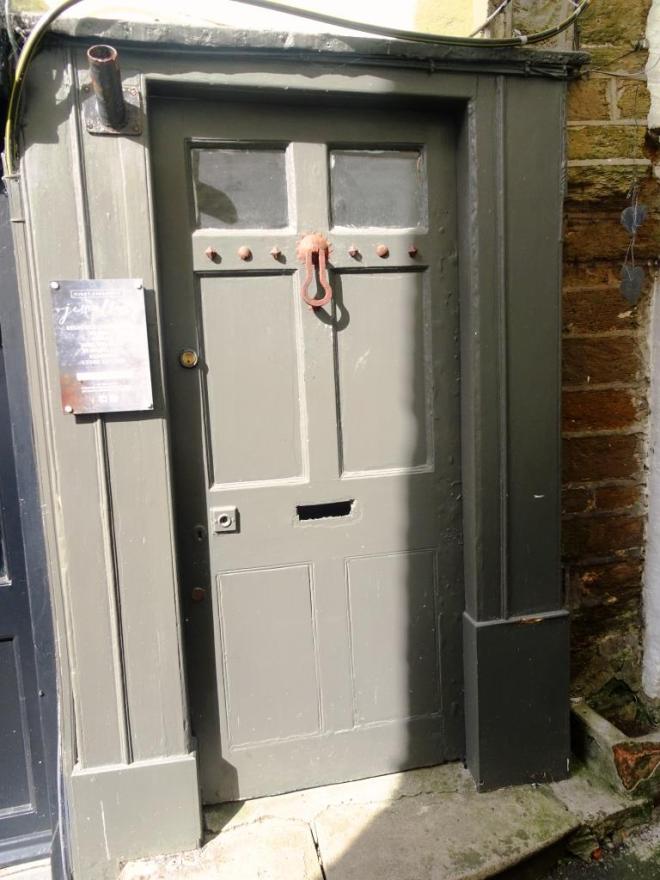
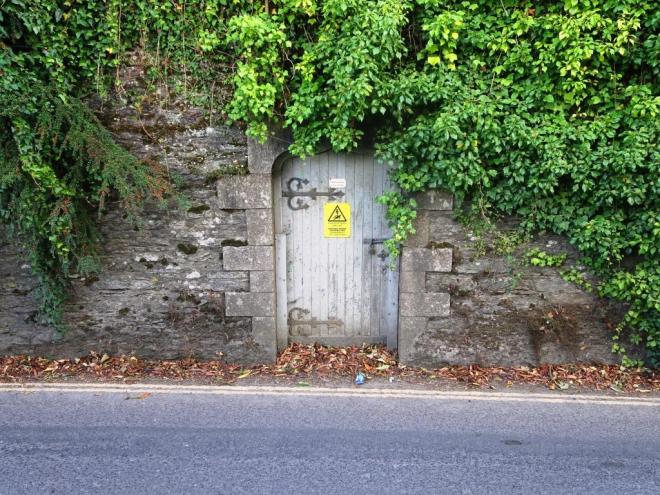
Basement door and thick walls, Fowey, Cornwall, September 2018Basement door and thick walls, Fowey, Cornwall, September 2018Boat builder’s yard door, Fowey, Cornwall, September 2018Cottage door, Fowey, Cornwall, September 2018Quay House door, Fowey, Cornwall, September 2018Door, Fowey, Cornwall, September 2018Dangerous secret door, Fowey, Cornwall, September 2018Lantic Bay, a hidden jewel, Cornwall September 2018
The final instalment of doors from Citta di Castello, Umbria, Italy, where I (not so recently any more) spent a week with my family on our summer holiday. ‘Citta’ was the nearest city to where we were staying and is a place that we have visited many times over the years. This area of Italy is a particular favourite of ours, but this is the first time I have visited with a ‘door chip’ inserted. There is a little more to some of these doors than first meets the eye.
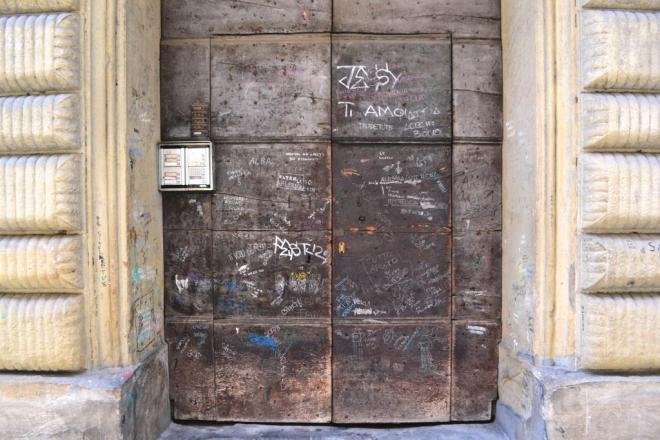
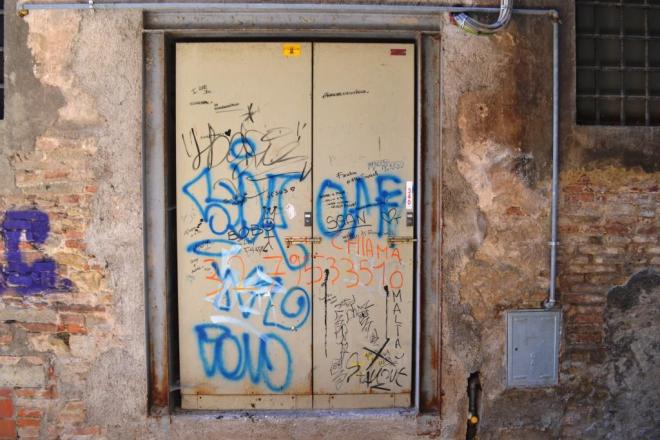
This door was the entrance to some apartments and played host to tons of small tags and graffiti. Most of the other doors on this main shopping street were not afforded the same attention.
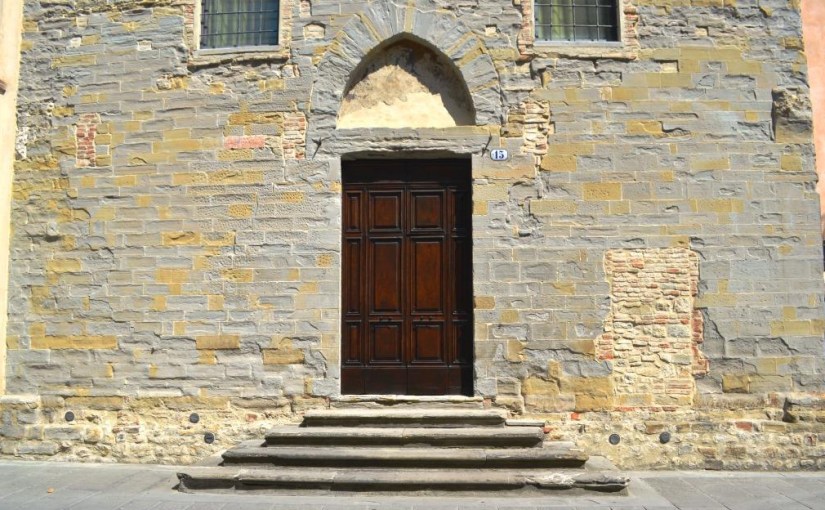
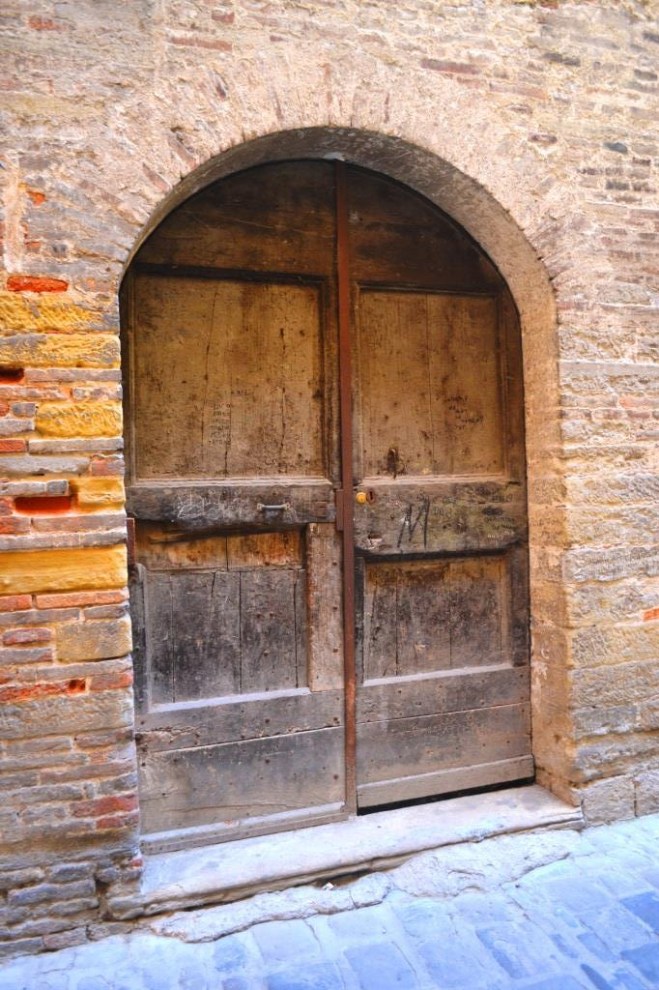
Graffiti door, Citta di Castello, Umbria, Italy, August 2018Double door, Citta di Castello, Umbria, Italy, August 2018
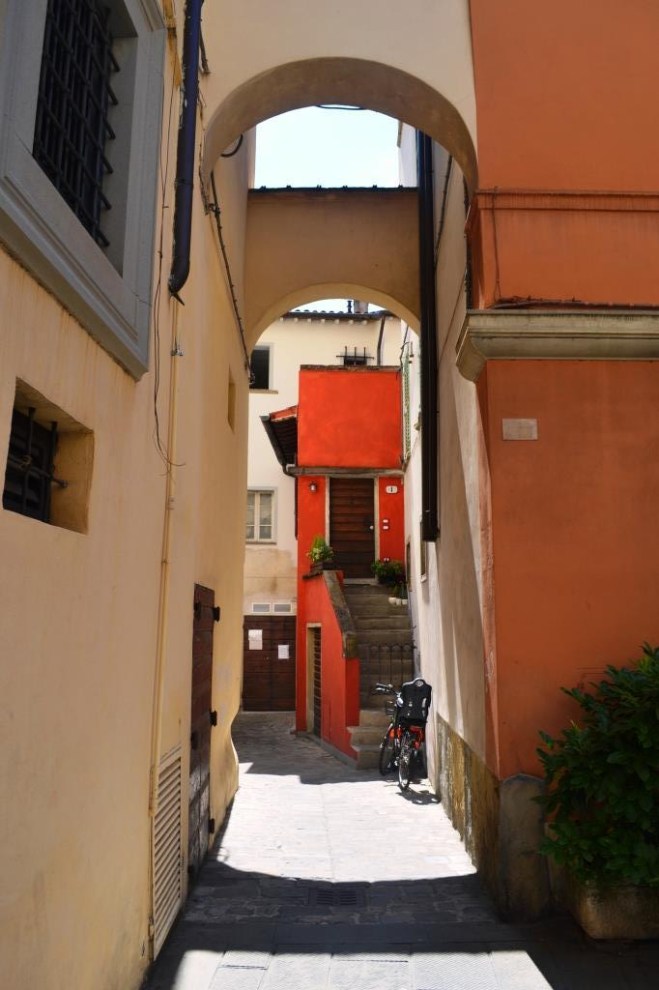
There are many views and scenes in Italy that unsurprisingly remind you of some of the great Italian artists – the door below and the archway leading up to it and all the colours and shadows screamed Giorgio de Chirico to me.
‘De Chirico’ door, Citta di Castello, Umbria, Italy, August 2018
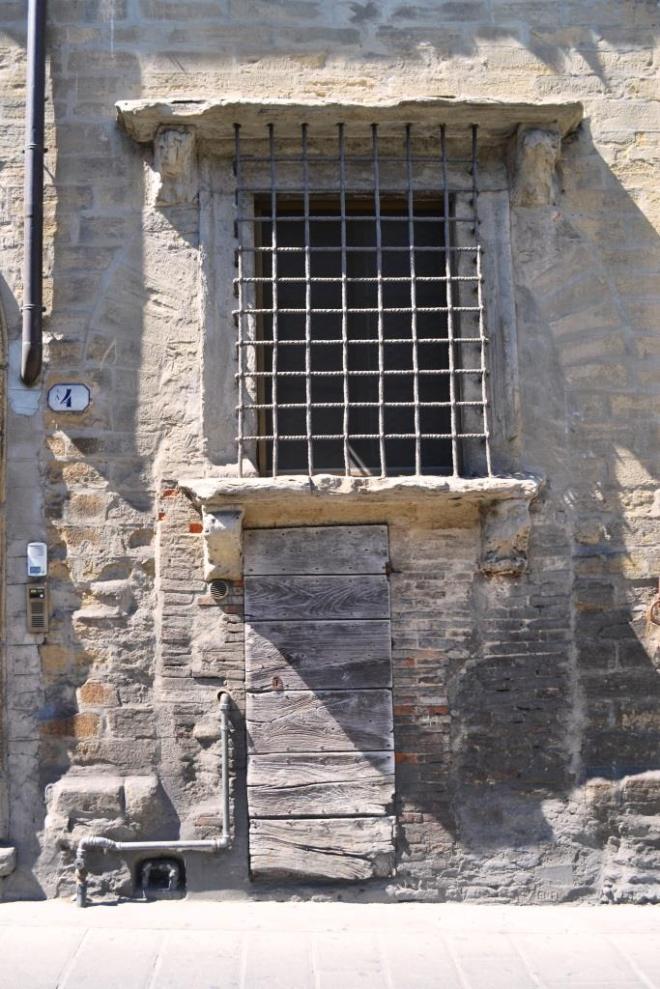
I did a little research on the next door, because there was something about it that was rather special. It is in fact a door of the dead, and thanks this post on the fabulous website Experience Tuscany and Umbria, I can tell you a little more about it. The door dates back to medieval times and would usually be set to one side of the main dwelling entrance. It was only ever used for taking a deceased body out of the home in a coffin, after which the doorway was bricked up on the inside to prevent death from returning. I believe that many of these doors can be found in old Italian houses.
Door of the dead, Corso Cavour, Citta di Castello, Umbria, Italy, August 2018
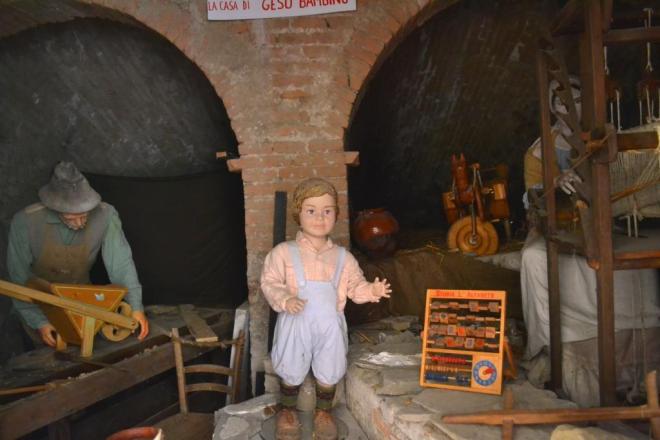
The final door is another rather peculiar one which was in the wall of the crypt of the Cathedral of St Florido and Amanzio by the exit. It was an iron gate, not very special in its own right but it was what lay behind it that was a bit creepy.
Cathedral of St Florido and Amanzio, Citta di Castello, Umbria, Italy, August 2018
I have been to catacombs and many crypts and have seen many skeletons and relics and expect this kind of thing in Italy, but this display was simply weird. The cellar room had a scene reminiscent of Pinocchio, presumably something for children to look at, but in my view the stuff of nightmares. Interesting nonetheless.
Cathedral of St Florido and Amanzio, Citta di Castello, Umbria, Italy, August 2018
And that’s it from Citta di Castello…more Italian doors soon.
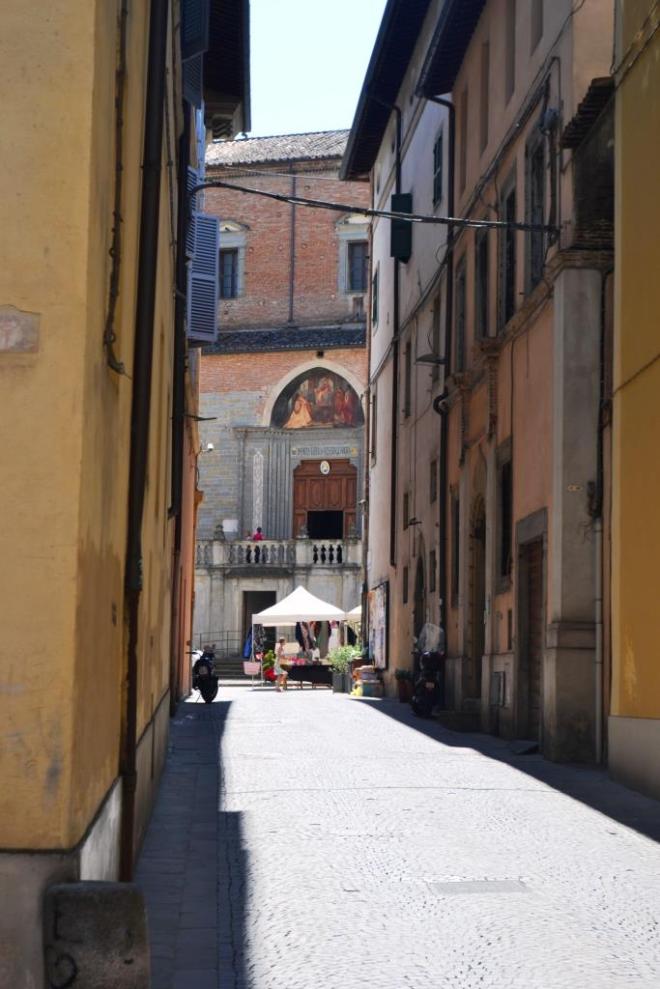
This is the second instalment of doors from Citta di Castello in Umbria and a nice reminder for me of our recent summer break – I must try to hang on to that holiday feeling for as long as possible to see me through the winter. Some nice ones here, I hope you enjoy them.
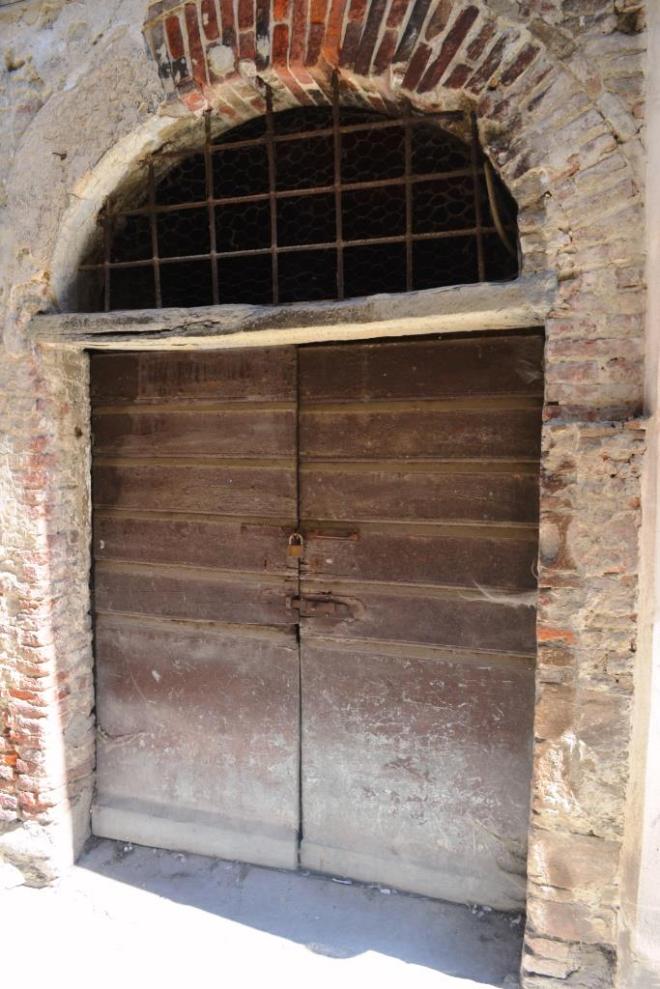
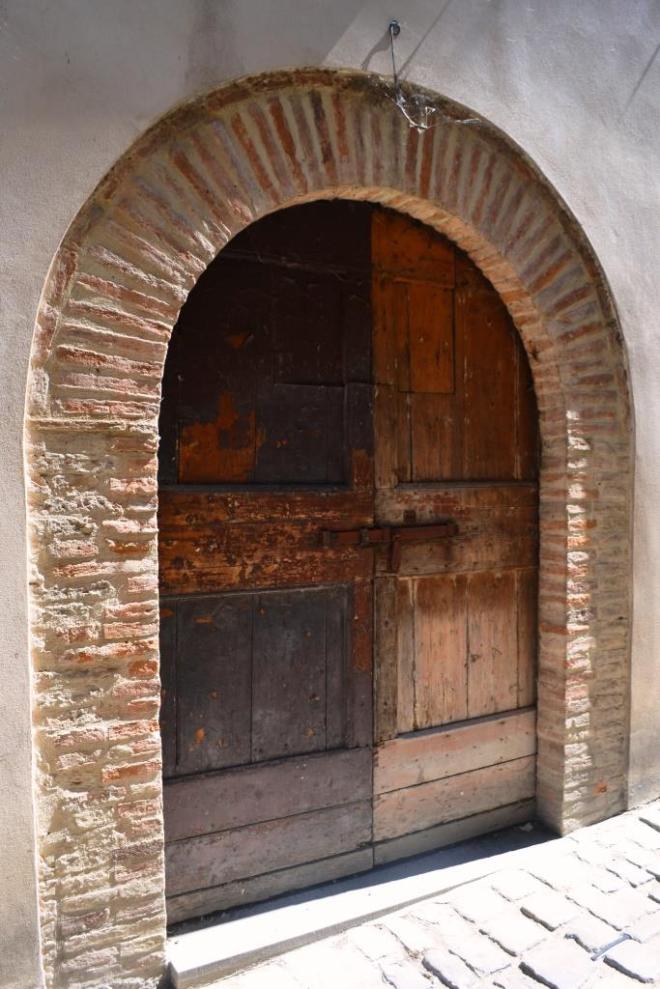
OK, so it’s a window pretending to be a door, Citta di Castello, Umbria, ItalyGraffiti and tags door, Citta di Castello, Umbria, ItalyDoor with plenty of character, Citta di Castello, Umbria, ItalyDouble door, Citta di Castello, Umbria, ItalyDouble door, Citta di Castello, Umbria, ItalyMain door of the Cathedral of St Florido and Amanzio, Citta di Castello, Umbria, Italy